
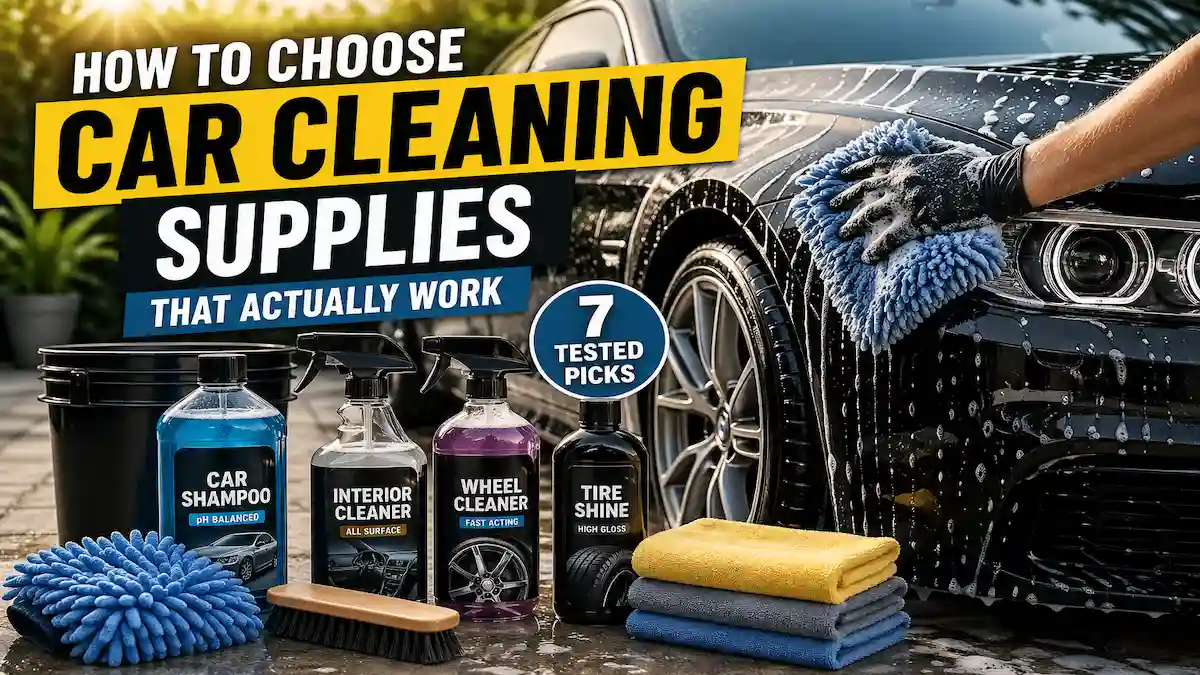
TL;DR: How to Choose Car Cleaning Products
Choosing car cleaning supplies that actually work means using pH-balanced car shampoos, high-quality microfiber towels, and surface-specific cleaners designed for automotive materials. Avoid harsh household products, prioritise residue-free formulas, and select trusted brands. The right tools protect your paint, interior, and glass while making cleaning faster, safer, and more effective.
Keeping a vehicle clean seems simple on the surface. Buy a few products, wash the car occasionally and enjoy the shine. However, after spending more than a decade working on vehicles in workshops and seeing the condition of cars that arrive for servicing every day, I’ve learned that cleaning a vehicle properly is far more important than most owners realise.
Some of the worst paint damage I’ve encountered wasn’t caused by accidents, harsh weather or age. It was caused by poor washing habits and the wrong cleaning products. I’ve seen vehicles only a few years old covered in swirl marks because owners used kitchen sponges. I’ve inspected paintwork that had lost much of its gloss because household detergents were stripping away protection every time the car was washed. I’ve even seen interior trim permanently discoloured by aggressive cleaners that were never designed for automotive surfaces.
The good news is that avoiding these problems doesn’t require expensive professional detailing services. In reality, most vehicle owners only need a carefully selected collection of car cleaning supplies and a basic understanding of how each product should be used.
Whether you wash your car every weekend or simply want to keep it looking presentable throughout the year, choosing the right supplies can make a significant difference. Quality products not only improve the appearance of your vehicle but also help preserve paintwork, protect interior materials and maintain resale value.
This guide explains the car cleaning supplies that genuinely deserve a place in your garage, highlights common mistakes many vehicle owners make and shares practical insights that are often missing from generic cleaning product lists found elsewhere online.
What’s Inside? (Quick Glance)
Why Using the Right Car Cleaning Supplies Matters
One of the biggest misconceptions in car care is that dirt itself causes most paint damage. In reality, it’s often the process of removing dirt that creates problems.
Modern vehicle paint systems include a relatively thin clear coat layer that provides gloss and protection. Every time dirt particles are dragged across that surface during washing or drying, tiny scratches can occur. Individually these scratches may be difficult to notice, but over months and years they accumulate into the swirl marks and dull appearance many owners associate with ageing paint.
In workshop vehicles I’ve serviced over the years, the condition of a vehicle’s paint often tells a story. Cars washed carefully with quality car cleaning supplies usually retain deeper gloss and smoother finishes, even with higher mileage. Vehicles cleaned using old sponges, cheap towels and household detergents often show noticeable wear long before they should.
The same principle applies to the interior. Dashboards, touchscreens, leather seats and plastic trim all require appropriate products. Harsh cleaners may provide short-term results but can accelerate fading, cracking and surface deterioration over time.
Good car cleaning supplies aren’t about chasing showroom perfection. They’re about reducing unnecessary wear while making routine maintenance easier and more effective.
Essential Car Cleaning Supplies
1. Car Wash Shampoo
If there’s one product I recommend upgrading immediately, it’s the shampoo used during regular washing.
Many people still reach for washing-up liquid because it removes dirt quickly. The problem is that household detergents are designed to cut through grease aggressively. While this might be useful in a kitchen sink, it isn’t ideal for automotive paintwork. Repeated use can strip protective waxes and sealants, leaving paint more exposed to contamination and environmental damage.
A quality automotive shampoo is designed specifically for painted surfaces. It provides lubrication that allows dirt to be lifted and carried away more safely while preserving any existing protection on the vehicle.
The consistent use of a good shampoo often contributes more to long-term paint condition than many expensive detailing products.
2. Microfibre Wash Mitt
The wash mitt is another item that deserves more attention than it usually receives.
Traditional sponges tend to trap dirt against the paint surface. Every pass across the vehicle increases the likelihood of creating scratches. Microfibre wash mitts work differently. Their fibres help pull contaminants away from the paint, reducing friction during washing.
The difference may seem small, but over hundreds of washes throughout a vehicle’s life, it becomes significant.
I’ve seen owners spend hundreds on paint correction because of damage that could have been avoided by switching from a basic sponge to a quality microfibre mitt.
3. Two Buckets and Grit Guards
This is one of the simplest techniques used by professional detailers and one of the most effective.
The idea is straightforward. One bucket contains your shampoo solution while the second contains clean rinse water. After washing a panel, the mitt is rinsed before returning to the shampoo bucket.
Adding grit guards to the bottom of each bucket improves the process further by helping trap dirt beneath the water level.
A mistake I’ve seen repeatedly is people unknowingly washing their entire vehicle with increasingly contaminated water. The dirt removed from the lower sections of the car eventually finds its way back onto the paint.
The two-bucket method helps break that cycle and dramatically reduces the risk of scratching.
4. Microfibre Drying Towels
Drying is one of the most overlooked stages of vehicle cleaning. Many owners focus heavily on washing products but then use old bath towels or allow the vehicle to air dry. Both approaches can create problems. Air drying often leaves mineral deposits behind, while rough towels may introduce scratches.
Large microfibre drying towels absorb substantial amounts of water while remaining gentle on delicate paint surfaces. They also make the process significantly quicker.
In my experience, switching to proper drying towels is one of the easiest ways to improve the overall finish after washing.
5. Wheel Cleaner
Wheels face some of the harshest conditions on a vehicle. Brake dust, road salt, tar and grime build up quickly, particularly on daily-driven cars.
Standard shampoo often struggles to remove these contaminants effectively. Dedicated wheel cleaners are formulated to break down stubborn deposits while remaining safe for most wheel finishes.
One issue I frequently encounter is owners using overly aggressive products without checking compatibility. Certain finishes can be damaged by the wrong cleaner, making it important to follow manufacturer recommendations.
Keeping wheels clean isn’t purely cosmetic either. Regular cleaning makes it easier to inspect for damage, cracks and excessive brake dust accumulation.
6. Tyre Brush
Tyres are often treated as an afterthought during cleaning, but they contribute significantly to the overall appearance of a vehicle.
A dedicated tyre brush helps remove embedded dirt, old dressing residue and road film that ordinary washing cannot fully eliminate. This creates a cleaner surface and improves the performance of any tyre dressing applied afterwards.
If you’re already paying attention to tyre condition, our tyre care checklist provides additional guidance on maintaining tyre performance and longevity.
7. Interior Cleaner
Vehicle interiors contain a surprising variety of materials. Plastics, vinyl, leather, fabric and touchscreen surfaces all require appropriate care.
A versatile interior cleaner removes dirt and oils without leaving greasy residues behind. In workshop vehicles I’ve inspected, overly shiny products are often responsible for dashboards that attract dust quickly and create unwanted windscreen reflections.
Modern interior cleaning products focus on restoring a clean, factory-style appearance rather than producing excessive gloss.
The result usually looks better and requires less maintenance between cleaning sessions.
8. Glass Cleaner
Clean glass improves both appearance and safety. One area many vehicle owners forget is the inside of the windscreen. Over time, vapours from plastics, cleaning products and interior materials create a thin film on the glass. This can become particularly noticeable at night when headlights from oncoming vehicles cause glare.
Dedicated automotive glass cleaners remove these residues effectively without leaving streaks behind.
Maintaining clear glass is one of the simplest ways to improve driving visibility throughout the year.
9. Detailing Brushes
Some of the most noticeable improvements during a cleaning session come from areas people normally ignore.
Air vents, grilles, badges, switchgear and trim gaps often collect dust and grime that cloths struggle to reach. A selection of soft detailing brushes makes it much easier to clean these areas properly.
Professional detailers rely heavily on brushes because they improve cleaning precision without increasing the risk of damage.
For vehicle owners aiming for a more professional-looking finish, they are one of the most valuable additions to any cleaning kit.
10. Vacuum Cleaner
A reliable vacuum cleaner remains one of the most important interior cleaning tools available.
Dust, sand and debris become abrasive when left trapped in carpets and upholstery. Over time this contributes to wear and deterioration.
Regular vacuuming not only improves cleanliness but also helps preserve interior materials.
For families, pet owners or anyone who frequently carries passengers, investing in a quality vacuum often provides better long-term value than purchasing additional cosmetic products.
11. Spray Wax or Paint Sealant
Cleaning removes contamination, but protection helps slow its return. Spray waxes and paint sealants create a protective barrier between the paint and environmental contaminants. This barrier improves water beading, enhances gloss and makes future cleaning easier.
I’ve learned from maintaining fleet vehicles is that protected paint generally remains easier to clean and often looks newer for longer than unprotected surfaces.
Modern spray sealants can often be applied in just a few minutes while delivering months of protection.
12. Clay Bar Kit
A clay bar is one of the most misunderstood detailing products. Even after washing, paint surfaces often contain bonded contaminants that cannot be removed using shampoo alone. These contaminants include industrial fallout, road tar, tree sap residue and airborne pollution.
Running your fingertips across freshly washed paint often reveals a rough texture caused by these particles.
A clay bar removes these contaminants safely, restoring smoothness and preparing the paint for waxing or sealing.
Many beginner guides ignore clay bars entirely, but they are often the difference between an average finish and a genuinely impressive one.

If you’re building a full emergency + maintenance setup, check this guide:
https://pickyaura.com/car-safety-and-security/car-emergency-kit/
Professional Detailing Secrets Most Guides Ignore
Many online guides focus heavily on products while overlooking the techniques that make the biggest difference.
One professional habit that separates experienced detailers from beginners is towel management. A common mistake is using a single towel for multiple tasks. For example, a towel used on wheels should never be reused on paintwork. Brake dust particles can easily become trapped within the fibres and create scratches during future washes.
Another overlooked detail is working from the cleanest areas to the dirtiest. Professional detailers generally clean the roof, glass and upper body panels first before moving towards lower panels, wheels and tyres. This reduces the chance of dragging heavy contamination across more visible paint surfaces.
Paint decontamination is another area competitors rarely explain properly. Many vehicle owners wash their cars regularly yet still complain that the paint feels rough or lacks shine. In most cases, bonded contamination is the cause. A clay bar treatment once or twice per year can dramatically improve paint smoothness and enhance the effectiveness of waxes and sealants.
Storage also plays a larger role than many people realise. Leaving microfibre towels on workshop floors, storing them wet or washing them with household laundry can reduce their effectiveness. Clean, dry storage helps preserve their performance and lifespan.
Common Car Cleaning Mistakes That Damage Vehicles
Some cleaning mistakes are so common that I can often identify them simply by looking at a vehicle’s paint condition.
The most frequent mistake is using household cleaning products. Dishwashing liquids, kitchen degreasers and general-purpose cleaners are not designed for automotive surfaces. While they may appear effective initially, they often strip protection, accelerate fading and increase long-term wear.
Another common issue is washing vehicles in direct sunlight. Water and cleaning products dry faster on hot panels, increasing the risk of water spots and streaking. Whenever possible, wash vehicles in shaded areas or during cooler parts of the day.
Using dirty towels is equally problematic. A towel that looks clean may still contain grit, brake dust or embedded contaminants. These particles can create scratches every time the towel touches the paint.
I’ve also seen many owners ignore wheel cleaning until brake dust becomes heavily embedded. Once contamination reaches this stage, cleaning becomes significantly more difficult and may require stronger chemicals that increase the risk of damage.
Perhaps the biggest mistake of all is inconsistency. A vehicle cleaned every few weeks generally remains easier to maintain than one that receives a major clean only once or twice per year.
Buyer’s Guide: How to Choose the Right Car Cleaning Supplies
When shopping for car cleaning supplies, it can be tempting to focus on product quantity rather than quality. Many pre-packaged kits include dozens of items that rarely get used.
Instead, concentrate on products that directly affect paint safety and cleaning performance.
A high-quality wash mitt is usually a better investment than multiple speciality cleaners. Likewise, a premium drying towel often delivers greater value than several lower-quality alternatives.
Look for established automotive brands with strong reputations in the detailing industry. Companies that specialise in vehicle care products generally invest more heavily in product testing and formulation than generic cleaning brands.
Another factor worth considering is ease of use. Some advanced detailing products deliver excellent results but require significant preparation or experience. For most vehicle owners, products that provide consistent, repeatable results with minimal complexity are often the smarter choice.
Reliable products used regularly almost always outperform complicated routines that are rarely followed. For deeper product comparisons, resources like https://www.autogeek.net/ which helps you understand real-world performance.
Want more care tips? Check:
https://pickyaura.com/diy-car-care-and-maintenance/tire-care-checklist/
Final Thoughts
Choosing the right car cleaning supplies is one of the simplest ways to protect your vehicle and maintain its appearance for years to come. While countless products compete for attention, the fundamentals remain the same. A quality shampoo, microfibre wash mitt, drying towel, wheel cleaner, interior cleaner and paint protection product will handle the majority of cleaning tasks safely and effectively.
Throughout my years working on vehicles, I’ve found that consistency matters far more than chasing every new detailing trend. Owners who clean their vehicles regularly using the right supplies typically enjoy better paint condition, cleaner interiors and stronger resale value than those who rely on occasional deep cleans.
If you’re looking to upgrade your vehicle care routine, start with the essentials, focus on good technique and build your collection gradually. The right car cleaning supplies won’t just make your vehicle look better today. They’ll help preserve its condition for years down the road.
Frequently Asked Questions
What car cleaning supplies do I need as a beginner?
A beginner can start with a car wash shampoo, microfibre wash mitt, two buckets, drying towel, wheel cleaner, interior cleaner and glass cleaner. These essentials cover most routine cleaning tasks safely and effectively.
Can I use dish soap to wash my car?
Dish soap is not recommended because it can strip protective waxes and sealants from the paint. Automotive shampoos are specifically designed to clean without damaging existing protection.
How often should I clean my car?
For most vehicles, washing every two to four weeks is sufficient. Vehicles exposed to salt, mud, coastal conditions or heavy pollution may require more frequent cleaning.
What do professional detailers use to wash cars?
Most professional detailers use pH-balanced shampoos, microfibre wash mitts, two-bucket washing systems, premium drying towels and paint protection products such as sealants or ceramic coatings.
Are expensive car cleaning supplies worth it?
Some premium products provide genuine benefits, particularly microfibre towels, wash mitts and paint protection products. However, good technique often matters more than buying the most expensive products available.
What is the difference between wax and sealant?
Wax generally provides a warm, glossy appearance but may require more frequent application. Sealants usually offer longer-lasting protection and improved durability against environmental contaminants.
Do clay bars remove scratches?
No. Clay bars remove bonded contaminants from paint surfaces but do not remove scratches. However, they can improve smoothness and prepare paint for polishing or protection.
How can I avoid swirl marks when washing my car?
Use a quality wash mitt, follow the two-bucket method, avoid household sponges and always dry with clean microfibre towels. These steps significantly reduce the risk of scratching.
I found this really useful because car cleaning advice can get confusing when there are so many products and kits everywhere. I liked how you explained that expensive is not always better, but using the right product for the right surface matters a lot. The warning about dish soap, cheap towels, and using one cloth for everything was especially helpful. A simple beginner kit sounds much more realistic. Which item would you upgrade first after buying the basics?
Hi Hanna,
Thanks for the feedback! I’d upgrade microfiber towels first since they prevent scratches and make the biggest difference in finish. After that, a quality wash mitt and pH-neutral shampoo are the next best upgrades.