
TL;DR: What is a Tyre Care Checklist?
A tyre care checklist should include monthly tyre pressure checks, regular tread inspections, tyre rotation every 8,000–10,000 kilometres, wheel alignment monitoring, wheel balancing when necessary, tyre damage inspections, and proper tyre storage practices. Following a consistent maintenance routine helps improve tyre lifespan, maintain vehicle safety, reduce fuel consumption, and prevent expensive premature tyre replacement.
A proper tyre care checklist is one of the simplest ways to protect both your vehicle and your wallet, yet it is one of the most neglected parts of routine maintenance.
As an automotive diagnostic technician, I can confidently say that many tyre replacements happen far earlier than necessary. In workshop vehicles I’ve serviced over the years, I have seen customers replace tyres that should have lasted another 15,000 to 20,000 kilometres simply because they ignored a few basic maintenance habits.
The frustrating part is that most tyre damage develops gradually. Drivers rarely wake up one morning to discover a tyre suddenly worn out. Instead, the damage often begins with a slightly low tyre pressure, a missed rotation interval, an unnoticed alignment issue, or a small puncture that seemed insignificant at the time.
Tyres perform a critical role in vehicle safety. They influence braking performance, steering precision, cornering stability, ride comfort, and fuel economy. Since tyres are the only components that maintain direct contact with the road surface, their condition affects almost every aspect of vehicle performance.
Tyre maintenance is often far cheaper than tyre replacement. Spending ten minutes each month inspecting your tyres can potentially save hundreds in premature tyre replacement costs while also improving safety.
This comprehensive tyre care checklist explains exactly what to inspect, how often to inspect it, and which mistakes are most likely to shorten tyre life. Whether you’re a daily commuter, weekend traveller, or DIY vehicle owner, following this guide can help you maximise tyre lifespan and avoid many of the costly problems I regularly encounter in the workshop.
What’s Inside (Quick Glance)
Why a Tyre Care Checklist Matters
Many drivers view tyres as simple wear items that eventually need replacing. While tyre wear is unavoidable, how quickly tyres wear depends heavily on maintenance habits.
Over the years, I have inspected vehicles running identical tyre models with dramatically different results. One driver may achieve 70,000 kilometres from a set of tyres, while another requires replacement after only 35,000 kilometres. The difference is rarely tyre quality. More often, it comes down to routine maintenance.
Properly maintained tyres improve braking performance, steering accuracy, ride comfort, and fuel efficiency. They also provide more predictable handling during wet weather and emergency manoeuvres. Neglected tyres can reduce grip, increase stopping distances, and create unnecessary stress on suspension and steering components.
Tyres also provide valuable clues about the overall condition of a vehicle. Uneven tread wear often reveals alignment problems, worn suspension parts, or incorrect tyre pressures long before other symptoms become obvious. One of the first things I examine during a workshop inspection is tyre wear because it frequently tells a story about what is happening elsewhere on the vehicle.
How to Follow a Tyre Care Checklist Correctly
1. Check Tyre Pressure Monthly
If there is one tyre maintenance habit I recommend above all others, it is checking tyre pressure regularly.
Tyres naturally lose air over time, even when there are no punctures or leaks present. Seasonal temperature changes can also affect tyre pressure significantly. A tyre that was correctly inflated several months ago may now be operating well below the manufacturer’s recommended specification.
One mistake I see repeatedly is drivers relying on visual inspection. Modern tyres can appear properly inflated even when pressure levels are dangerously low. The only reliable way to check tyre pressure is with an accurate gauge.
Pressure should always be checked when tyres are cold. The correct pressure can usually be found on the driver’s door jamb sticker or inside the owner’s manual.
According to Bridgestone, maintaining correct tyre pressure helps maximise tyre lifespan, improve fuel efficiency, and maintain safe vehicle handling.
Underinflated tyres generate excessive heat and wear along the outer edges. Overinflated tyres wear more rapidly through the centre tread area and may reduce ride comfort. Both conditions shorten tyre lifespan and compromise performance.
2. Monitor Tread Depth Regularly
Tread depth plays a critical role in vehicle safety, particularly during wet weather conditions.
Many drivers wait until tyres look obviously worn before checking tread depth. Unfortunately, tyre performance often begins declining long before tyres reach the legal minimum tread depth.
The purpose of tread grooves is to channel water away from the contact patch. As tread depth decreases, the tyre becomes less effective at dispersing water, increasing the risk of aquaplaning and reduced wet-weather grip.
A tread depth gauge provides the most accurate measurement, although built-in tread wear indicators can also provide a useful reference point.
Regular tread inspections allow you to plan tyre replacement before safety becomes compromised. This is particularly important if you frequently drive in heavy rain or on high-speed roads.For official safety standards, check:
https://www.nhtsa.gov/road-safety/tires
3. Inspect for Damage and Tyre Ageing
One of the most overlooked parts of a tyre care checklist is inspecting tyres for physical damage and age-related deterioration.
When checking your tyres, look carefully for nails, screws, cuts, bulges, cracking, and unusual wear patterns. Small punctures may not cause immediate pressure loss but can eventually lead to more serious damage if ignored.
Sidewall bulges deserve particular attention because they often indicate internal structural damage. Unlike many tread punctures, sidewall damage is rarely repairable safely.
Tyre age is equally important. In workshop inspections, I often encounter vehicles with plenty of remaining tread but tyres that are no longer safe because the rubber has deteriorated over time.
Exposure to sunlight, heat, moisture, and oxygen gradually hardens rubber compounds. As tyres age, they may develop cracks, dry rot, and reduced grip, even if tread depth appears acceptable.
One customer brought in a low-mileage SUV with tyres that looked almost new from a distance. However, closer inspection revealed significant sidewall cracking caused by age. Despite having excellent tread depth, the tyres were approaching the end of their safe service life.
A tyre care checklist should therefore include both tread inspections and assessments of overall tyre condition.
4. Understand Tyre Wear Patterns
Tyres can provide valuable diagnostic information if you know what to look for.
Excessive wear along both outer edges usually indicates chronic underinflation. Centre tread wear often points towards overinflation. Feathered tread patterns frequently suggest wheel alignment problems, while cupping or scalloping may indicate worn suspension components.
Understanding these wear patterns allows drivers to identify problems early before significant tyre damage occurs.
One lesson I’ve learned in the workshop is that tyres often reveal developing mechanical problems long before warning lights appear on the dashboard. Paying attention to wear patterns can help prevent costly repairs and improve overall vehicle reliability.
5. Rotate Tyres on Schedule
Tyres do not wear evenly across a vehicle.
In front-wheel-drive vehicles, the front tyres handle steering, acceleration, and much of the braking force. As a result, they typically wear faster than the rear tyres.
Without regular rotation, front tyres may require replacement long before the rear tyres, reducing the overall lifespan of the tyre set.
Most manufacturers recommend tyre rotation every 8,000–10,000 kilometres. Following this schedule promotes more even wear, improves handling consistency, and maximises tyre value.
I once inspected a hatchback where the front tyres were completely worn while the rear tyres still retained most of their usable tread. A simple rotation schedule could have significantly extended the life of all four tyres.
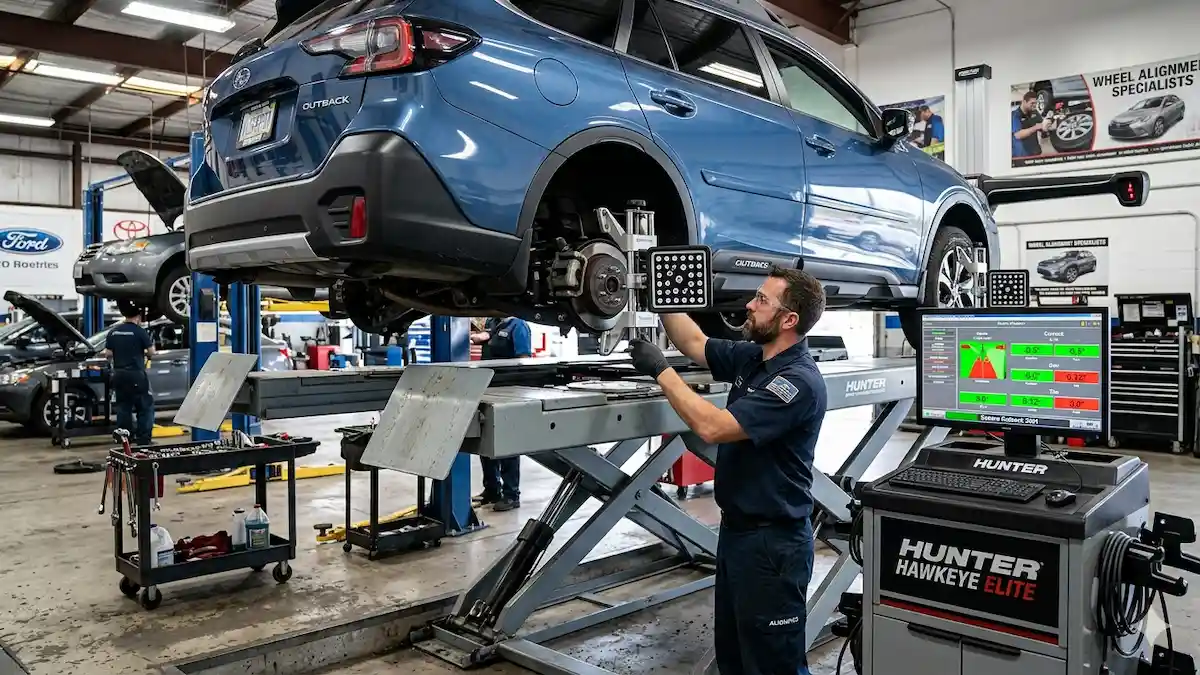
6. Wheel Alignment and Balancing
Wheel alignment and balancing are often grouped together, but they affect your tyres in slightly different ways.
Wheel alignment refers to how your wheels are angled in relation to the road and each other. Even a minor misalignment can slowly destroy a tyre over time. In workshop inspections, I’ve seen vehicles hit a pothole once and develop uneven edge wear months later without the driver noticing any immediate change in handling.
A vehicle that pulls slightly to one side, or has an off-centre steering wheel when driving straight, is often showing early signs of alignment issues. Ignoring these symptoms usually leads to accelerated tyre wear on one side of the tread.
Wheel balancing, on the other hand, deals with weight distribution in the wheel and tyre assembly. If balance is off, drivers often notice vibration at certain speeds, especially on highways. I’ve had customers assume they had suspension problems, only to find a simple balancing correction resolved the issue.
If left unresolved, imbalance doesn’t just affect comfort. It can also cause uneven tyre wear and place unnecessary stress on suspension components.
From experience, vehicles that include alignment and balancing checks as part of a regular tyre care checklist consistently achieve longer tyre life and smoother driving performance.
7. Long-Term Tyre Storage and Seasonal Care
Tyre storage is something many drivers overlook, especially those who switch between seasonal tyres or keep a spare set.
Rubber naturally degrades when exposed to heat, sunlight, moisture, and ozone. I’ve seen perfectly usable tyres become unsafe simply because they were stored in hot sheds or left exposed to direct sunlight for long periods.
Before storing tyres, always clean them to remove dirt, brake dust, and road chemicals. These contaminants can accelerate rubber deterioration over time.
Tyres should ideally be stored in a cool, dry place away from direct sunlight. Mounted tyres can be stacked or hung depending on manufacturer recommendations, while unmounted tyres are generally best stored upright to help maintain shape.
Seasonal changes also affect tyre performance. As temperatures rise or fall, tyre pressure naturally fluctuates. This is one of the most common reasons drivers unknowingly run underinflated tyres for extended periods.
Wet weather seasons require extra attention to tread depth, while long summer drives increase heat stress on tyres. Adjusting your tyre care checklist slightly throughout the year helps maintain consistent performance.

Common Tyre Care Mistakes
After more than a decade in vehicle diagnostics, certain tyre maintenance mistakes appear again and again.
The most common issue is ignoring tyre pressure. Many drivers simply assume tyres are fine unless a warning light appears. Unfortunately, by the time some warning systems activate, tyre pressures may already be well below optimal levels.
Another common mistake is delaying tyre rotation. Drivers often intend to rotate tyres eventually but continue postponing the service until uneven wear becomes obvious.
Ignoring minor damage is another expensive habit. Small punctures, cuts, and sidewall damage frequently become larger problems because drivers assume they can wait until the next service.
Many owners also underestimate the impact of wheel alignment. A vehicle that feels mostly normal can still be causing accelerated tyre wear.
Perhaps the biggest mistake of all is waiting until tyres become visibly worn before inspecting them. Preventative maintenance works best when problems are identified early rather than after damage has already occurred.
Troubleshooting Common Tyre Problems
Vehicle Pulls to One Side
If your vehicle drifts left or right on a straight road, the first step is to check tyre pressure. Unequal pressure is a common and easily overlooked cause.
If pressures are correct, wheel alignment becomes the next likely cause. In some cases, suspension wear may also contribute.
Uneven Tread Wear
Uneven wear usually indicates issues with pressure, alignment, or rotation habits. Instead of replacing tyres immediately, it’s important to identify the underlying cause first. Otherwise, new tyres may develop the same problem.
Steering Wheel Vibration
Vibration at speed is often linked to wheel balancing issues. However, tyre damage or bent wheels can also contribute. Prompt inspection prevents further tyre wear and avoids additional suspension stress.
Frequent Pressure Loss
If a tyre repeatedly loses pressure, inspect for punctures, valve issues, or rim sealing problems. Slow leaks often go unnoticed until significant wear has already occurred.
Increased Fuel Consumption
Underinflated tyres increase rolling resistance, forcing the engine to work harder. If fuel consumption suddenly increases without any other obvious cause, tyre pressure should be one of the first checks.
Tyre Care Tools Buyer’s Guide
Having the right tools makes following a tyre care checklist much easier and more accurate.
A digital tyre pressure gauge is the most important tool for any driver. Service station gauges can vary in accuracy, so having your own ensures consistency.
A portable air compressor is also extremely useful. It removes the need to rely on fuel stations and encourages more frequent pressure checks, which directly improves tyre lifespan.
A tread depth gauge helps you monitor wear properly instead of relying on visual guesswork. This is especially useful for drivers who frequently travel in wet conditions.
A simple inspection light is another underrated tool. Many tyre issues, such as sidewall cracks or embedded objects, are easier to detect under proper lighting.
For drivers building a full maintenance setup, our guide to car maintenance tools for beginners can help you choose essential equipment without overspending.
If you’re unsure what to avoid when buying tools, this breakdown of automotive tool kit red flags is also worth reading.
The goal is not to collect every tool available, but to build a small, reliable kit that makes regular tyre inspections quick and effortless. So you mostly need:
- Tire pressure gauge
- Portable air compressor
- Tread depth gauge
- Torque wrench
If you’re unsure about tools, check:
https://pickyaura.com/automotive-tools/automotive-tool-kit-red-flags/
Final Thoughts
A consistent tyre care checklist is one of the simplest yet most effective ways to improve vehicle safety and reduce long-term running costs.
In workshop experience, the difference between tyres that last 30,000 kilometres and those that last over 60,000 kilometres rarely comes down to tyre brand alone. It comes down to small habits maintained over time.
Tyres rarely fail without warning. They gradually send signals through wear patterns, pressure changes, vibrations, and handling behaviour. The key is noticing those signals early and acting on them.
By following a simple monthly routine, you can extend tyre life, improve safety, and avoid unnecessary replacement costs. The effort required is minimal, but the benefits are significant.
A well-maintained tyre doesn’t just last longer, it performs better in every condition that matters. Take a few minutes each month, follow this checklist, and your tyres will last a lot longer simple as that. Check this out for tire care tips https://www.michelin.com.au/auto/advice/tyre-care
Frequently Asked Question
How often should I check my tyre pressure?
Tyre pressure should be checked at least once a month and before long trips to ensure safe and efficient performance.
What is the correct tyre pressure for my vehicle?
The correct pressure is listed on the driver’s door jamb or in the owner’s manual. Always follow manufacturer specifications.
How long do tyres usually last?
Most tyres last between 40,000 and 70,000 kilometres depending on driving habits, road conditions, and maintenance.
Can I drive with slightly uneven tyre wear?
Minor uneven wear may be manageable, but it usually indicates an underlying issue that should be corrected as soon as possible.
Do I really need wheel alignment if my car drives fine?
Yes. Alignment issues often develop gradually and can damage tyres long before noticeable handling problems appear.
Can old tyres still be safe if tread is good?
Not always. Tyres can deteriorate with age due to rubber degradation, even if tread depth looks acceptable.
Why do my tyres wear out faster at the front?
Front tyres typically handle steering, braking, and acceleration in front-wheel-drive vehicles, causing faster wear.
This is a highly practical and experience-driven guide that clearly highlights how small maintenance habits can significantly impact tire lifespan and safety. I appreciate the emphasis on real-world mistakes, particularly around tire pressure, rotation, and alignment, which are often overlooked yet critical. Your checklist approach makes the information easy to follow and actionable for everyday drivers. Overall, this is a valuable resource that effectively combines technical insight with clear, user-friendly guidance.
Hi Kavitha,
Thank you very much.