
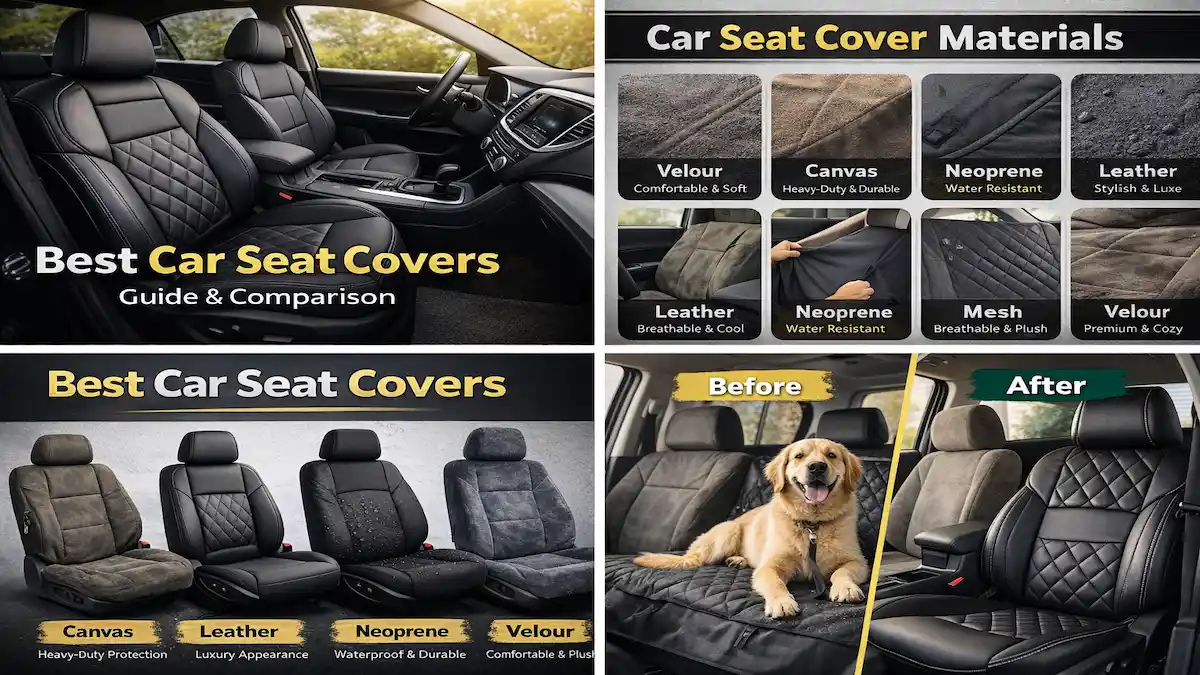

TL;DR: What is a Car Seat Cover
The best car seat covers protect original upholstery from everyday wear, spills, UV damage and stains while making seats more comfortable and easier to maintain. The right choice depends on vehicle, lifestyle, local climate and whether you prioritise durability, comfort, waterproof protection or a premium interior appearance.
I’ve noticed that interior damage is one of the most overlooked maintenance costs. Owners often focus on servicing the engine while forgetting that the cabin is where they spend every journey. Unfortunately, it’s also one of the first places to show signs of age.
Coffee spills, muddy work clothes, wet beach towels, pet claws and constant sunlight gradually take their toll. Once the factory upholstery is damaged, repairing or replacing it can become surprisingly expensive.
That’s why choosing the best car seat covers isn’t simply about improving appearance. It’s about protecting an investment that you’ll appreciate every single time you open the door.
If you’re also upgrading other areas of your cabin, our Car Floor Mat Buying Guide and Car Sunshade Buying Guide can help you build an interior that’s easier to maintain throughout the year.
Also don’t forget to check our car floor mat buying guide and car sunshade buying guide
What is Inside? (Quick Glance)
Why Need Best Car Seat Covers
Many people assume seat covers are purely decorative. While they certainly improve the appearance of an interior, their biggest advantage is long-term protection.
Throughout the years, I’ve inspected countless vehicles where the mechanical condition was excellent but the interior told a completely different story. Torn bolsters, faded fabric, cracked leather and permanent stains often reduced the vehicle’s resale appeal far more than owners expected.
In contrast, cars fitted with quality seat covers from early ownership frequently reveal seats underneath that still look remarkably close to new. Removing the covers before selling the vehicle often leaves buyers pleasantly surprised by the condition of the original upholstery.
The cost difference is significant. Replacing damaged seats or repairing factory upholstery can cost several times more than purchasing quality covers in the first place.
Seat covers also make everyday ownership easier. Instead of worrying every time a passenger climbs in with dirty clothes or a child spills a drink, you simply remove the cover for cleaning or wipe it down if it’s waterproof.
That extra peace of mind is something many buyers underestimate until they’ve experienced it themselves.
If you’re already dealing with interior wear, check this:
https://pickyaura.com/diy-car-care-and-maintenance/car-seat-cover-maintenance/
What Actually Damages Car Seats
Understanding what you’re protecting against makes choosing the right cover much easier.
Daily use gradually wears away the side bolsters as drivers slide in and out of the vehicle. This is particularly noticeable on the driver’s seat, which almost always ages faster than the others.
Sunlight is another major culprit. Vehicles parked outdoors for years often develop faded fabric, brittle plastics and cracked leather. Even quality upholstery struggles against constant UV exposure without protection.
Moisture is equally damaging. Sweat after the gym, rain-soaked clothing, wet pets and accidental drink spills slowly soak into fabric seats if they’re left unprotected. Over time this can lead to unpleasant odours, staining and, in some cases, mould growth.
I’ve also seen work vehicles where dirt and dust acted like sandpaper. Every time the driver got in after a day on site, fine particles gradually wore away the seat fabric until holes eventually appeared.
None of these problems happen overnight, but together they shorten the life of your interior considerably.
Which Car Seat Covers Are Best for Different Drivers
The best choice depends less on price and more on how you actually use your vehicle. Someone who commutes alone every day has completely different requirements from a family with young children or someone who regularly takes their dog on weekend adventures.
If your car doubles as a work vehicle, durability should be your highest priority. Heavy-duty materials like canvas or neoprene usually outperform softer fabrics because they’re designed to handle constant abrasion, dirt and moisture.
Families often benefit most from waterproof covers that can cope with food spills, muddy shoes and the occasional unexpected accident without absorbing moisture into the original seats.
Drivers who spend hours behind the wheel each week usually appreciate breathable materials that remain comfortable during long journeys and changing weather conditions.
Meanwhile, anyone looking to refresh an older interior may prefer premium leather-look covers that instantly modernise the cabin while remaining easy to wipe clean.
Choosing based on lifestyle almost always produces better results than simply buying the most expensive option available.
Car Seat Cover Types Explained
The market offers dozens of designs, but most seat covers fall into several main categories. Understanding how they differ helps avoid buying something that doesn’t match your expectations.
Custom-Fit Seat Covers
Custom-fit covers are manufactured specifically for your vehicle model, meaning every opening, headrest, seat control and airbag position aligns correctly.
The finished result looks close to factory-installed upholstery rather than an accessory fitted afterwards.
In my experience, these remain securely in place for years because they don’t constantly shift as passengers enter and exit the vehicle. That also means less rubbing against the original upholstery underneath.
Although they’re more expensive than universal alternatives, they generally provide the best combination of protection, comfort and appearance.
Drivers intending to keep their vehicle for several years usually find the additional investment worthwhile.
Semi-Custom Seat Covers
Semi-custom covers bridge the gap between universal and fully tailored designs. Instead of fitting one specific vehicle, they’re designed around groups of similar seat sizes and shapes.
The result is usually a much neater appearance than universal covers while remaining considerably more affordable than fully customised options.
For many everyday drivers, this represents the best balance between cost and performance.
Universal Seat Covers
Universal covers are designed to fit a wide variety of vehicles. Their biggest advantage is affordability and convenience. They’re available almost everywhere and usually install within minutes.
However, they often compromise on fit. Loose fabric can wrinkle, move around during driving and gradually become uncomfortable. In some vehicles they may even interfere with access to seat controls or storage pockets.
I’ve removed plenty of cheap universal covers during workshop inspections that had worn through far quicker than expected simply because constant movement created friction against the seats underneath.
If you choose universal covers, paying slightly more for a higher-quality design generally makes a noticeable difference.
Waterproof Seat Covers
Waterproof covers have become increasingly popular among families, pet owners and outdoor enthusiasts.
Most are manufactured using neoprene, coated polyester or similar water-resistant materials that prevent liquids soaking into the original upholstery.
They’re particularly useful if your lifestyle regularly involves muddy boots, sports equipment, fishing gear, camping trips or children carrying snacks and drinks.
Cleaning usually requires nothing more than a damp cloth, making them one of the lowest-maintenance options available.
Leather and PU Leather Seat Covers
Leather-style covers remain one of the most popular upgrades because they instantly create a more premium-looking interior.
They’re easy to wipe clean, resist many everyday stains and generally suit modern vehicle interiors well. That said, not all leather covers perform equally.
Genuine leather develops a beautiful appearance over time but requires occasional conditioning to prevent drying and cracking. PU leather offers a similar visual effect at a lower price while requiring much less maintenance.
One lesson I’ve learnt over the years is that cheap synthetic leather often looks impressive initially but begins peeling surprisingly quickly once exposed to heat and regular use. Quality matters far more than simply choosing leather over fabric.
Fabric Seat Covers
Fabric remains an excellent choice for drivers who value comfort above everything else. Cloth materials stay cooler during summer, warmer during winter and usually feel softer on longer journeys than vinyl or leather-style alternatives.
They’re also one of the most affordable categories available. The trade-off is maintenance. Fabric absorbs moisture much more easily than waterproof materials, so regular cleaning becomes important if you frequently transport children, pets or food.
For everyday commuting, however, quality fabric covers continue to offer excellent value.
Heavy-Duty Canvas Seat Covers
Canvas covers are built for people who expect their vehicle to work as hard as they do. Tradespeople, farmers, off-road enthusiasts and commercial operators often choose canvas because it’s exceptionally resistant to abrasion, dirt and repeated daily use.
Although canvas isn’t as luxurious as leather or sheepskin, its durability is difficult to match. I’ve seen canvas covers remain in excellent condition after years of heavy use where standard fabric alternatives would have needed replacing long before.
Sheepskin Seat Covers
If comfort is your main priority, sheepskin seat covers are difficult to beat. Natural wool regulates temperature exceptionally well, keeping seats cooler during hot weather and noticeably warmer on cold mornings. That’s one reason they’re still popular with drivers who regularly cover long distances.
The downside is maintenance. Sheepskin requires more care than synthetic materials and isn’t the best choice if you’re constantly dealing with muddy clothes, pets or frequent spills. It’s also one of the more expensive options on the market, so it suits buyers looking for comfort rather than heavy-duty protection.
Pet Seat Covers
Travelling with dogs or other pets can quickly take its toll on your vehicle’s interior. Claws, fur, muddy paws and the occasional accident are enough to permanently damage factory upholstery.
A dedicated pet seat cover is designed specifically for this purpose. Most feature waterproof backing, scratch-resistant materials and quick-release straps that allow them to be removed for cleaning within minutes.
If you regularly travel with pets, a dedicated pet cover is usually a better investment than a standard universal seat cover because it’s built for a completely different type of wear.
Heated and Cooling Seat Covers
Drivers living in regions with extreme temperatures sometimes choose electrically heated or ventilated seat covers to improve comfort throughout the year.
Heated covers provide welcome warmth during winter mornings, while cooling versions improve airflow during hot weather. They aren’t essential for every driver, but they can make a noticeable difference if you spend long hours behind the wheel.
Always buy products from reputable manufacturers and follow installation instructions carefully. Electrical accessories should never interfere with the vehicle’s safety systems or seat-mounted airbags.
Car Seat Cover Type Comparison
| Type | Description | Pros | Cons | Best For |
|---|---|---|---|---|
| Custom-Fit Seat Covers | Tailor-made for specific car models, offering a precise fit and factory-like appearance | Perfect fit, premium look, airbag compatible, long-lasting | Expensive, limited availability | New cars, long-term use, premium users |
| Semi-Custom Seat Covers | Designed to fit a range of vehicles with flexible sizing and adjustable straps | Good fit, affordable, easy installation | Not as precise as custom-fit | Everyday drivers, budget-conscious buyers |
| Universal Seat Covers | One-size-fits-most covers that are widely available and easy to install | Cheapest option, easy to find, quick installation | Loose fit, may shift, lower durability, possible airbag issues | Temporary use, older cars, tight budgets |
| Waterproof Seat Covers | Made with water-resistant materials like neoprene or polyester to protect against spills | Protects from spills, easy to clean, durable | May feel less breathable | Families, pet owners, outdoor use |
| Leather / PU Leather Covers | Synthetic or real leather covers offering a premium and stylish interior look | Luxurious feel, easy to clean, durable | Can get hot, requires maintenance, higher cost | Luxury upgrades, business use |
| Fabric Seat Covers | Made from cloth or polyester materials for comfort and affordability | Breathable, comfortable, budget-friendly | Absorbs stains, less durable | Daily commuting, budget users |
| Canvas Seat Covers | Heavy-duty material designed for rugged use and durability | Extremely tough, long-lasting, resistant to wear | Rough texture, less comfortable | Tradies, off-road vehicles |
| Sheepskin Seat Covers | Natural wool covers providing superior comfort and temperature regulation | Very comfortable, stays cool in summer, warm in winter | Expensive, needs special care | Long drives, comfort-focused users |
| Pet Seat Covers | Special covers designed to protect seats from pet hair, scratches, and dirt | Scratch-resistant, waterproof, easy to remove | Limited styling options | Pet owners, travel with animals |
| Heated / Cooling Covers | Electrically powered covers that provide temperature control | Extra comfort, great for extreme weather | Requires power source, higher cost | Cold/hot climates, long drives |
How to choose car seat covers: Buyer’s Guide
Walking into an accessory shop or browsing online can feel overwhelming because hundreds of products often appear almost identical. Instead of focusing on appearance first, start by thinking about how your vehicle is actually used.
Choose the Correct Fit
Fit is arguably the most important factor. A poorly fitting cover doesn’t just look untidy. It shifts every time you enter or leave the vehicle, creating wrinkles, discomfort and additional wear underneath.
If your budget allows, custom-fit covers remain the best option because they’re designed specifically for your vehicle. Semi-custom covers offer an excellent compromise, while universal covers work best for temporary protection or older vehicles.
Never Ignore Airbag Compatibility
Modern vehicles often contain side airbags built directly into the front seats. Any seat cover must allow these airbags to deploy correctly during a collision. Covers that block or delay deployment create a serious safety risk.
Always check that the manufacturer clearly states the product is compatible with your vehicle’s airbag system.
For additional guidance on vehicle safety, the Australasian New Car Assessment Program (ANCAP) provides valuable information about occupant protection and vehicle safety technologies.
Think About Your Local Climate
Climate has a much bigger impact on comfort than many buyers realise. Breathable fabrics generally perform better in hot weather because they reduce heat build-up during long drives.
Leather-look materials create a premium appearance but can become noticeably warmer if your vehicle spends most of the day parked in direct sunlight.
Drivers living in rainy areas or those regularly carrying wet equipment usually benefit more from waterproof materials such as neoprene.
Choosing the right material for your environment makes everyday driving much more enjoyable.
Consider Cleaning and Maintenance
Some seat covers require very little attention, while others need occasional conditioning or specialised cleaning products.
If your vehicle carries children, pets or work equipment, easy cleaning should move much higher up your priority list.
One thing I’ve consistently noticed is that owners are far more likely to keep their interiors clean when maintenance takes only a few minutes. Covers that can simply be wiped down or removed for machine washing usually stay in much better condition over the years.
Don’t Buy Based on Appearance Alone
It’s easy to be drawn towards attractive stitching or luxury finishes, but appearance shouldn’t be the deciding factor.
I’ve seen inexpensive-looking neoprene covers outperform stylish synthetic leather after several years of daily use. Likewise, some premium-looking covers begin peeling surprisingly quickly because the material quality simply isn’t there.
Comfort, durability and proper fit will matter long after the novelty of a stylish design has worn off.
Car Seat Cover Materials Compared
The material you choose has a significant impact on comfort, durability and maintenance.
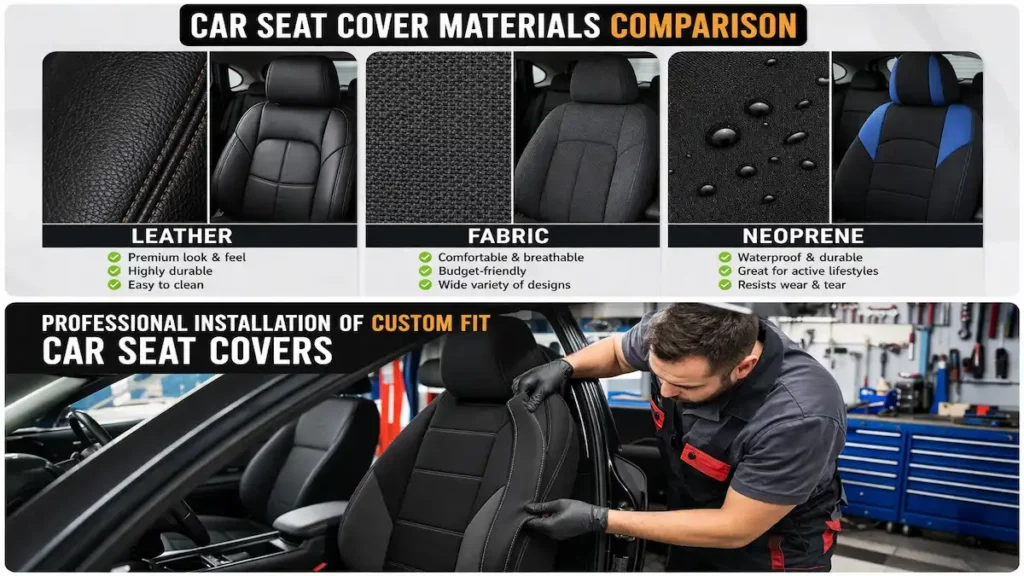
Neoprene offers one of the best all-round combinations of water resistance, durability and easy maintenance, making it an excellent choice for families, outdoor enthusiasts and everyday commuters.
Leather and PU leather create a premium appearance and are easy to wipe clean, although genuine leather benefits from occasional conditioning to prevent drying.
Fabric remains affordable, breathable and comfortable for everyday driving but absorbs spills more easily than waterproof alternatives.
Canvas is built for demanding environments. Its rugged construction makes it ideal for commercial vehicles, off-road driving and heavy daily use.
Sheepskin provides exceptional comfort and natural temperature regulation, although it requires more maintenance than synthetic materials.
Mesh fabrics improve airflow during hot weather and suit drivers who prioritise ventilation over maximum durability.
Vinyl is inexpensive, waterproof and very easy to clean, making it practical for work vehicles and frequent spill protection.
Eco-leather offers much of the appearance of genuine leather at a lower price while generally requiring less maintenance.
For independent testing of vehicle accessories and ownership advice, Consumer Reports also provides useful research covering automotive products and long-term ownership.
Car Seat Cover Material Comparison
| Material | Common Types Available | Comfort Level | Durability | Maintenance | Water Resistance | Best For |
|---|---|---|---|---|---|---|
| Neoprene | Custom-fit, Semi-custom, Waterproof covers | ⭐⭐⭐⭐ | ⭐⭐⭐⭐⭐ | Easy | ⭐⭐⭐⭐⭐ | Families, outdoor use, all-weather protection |
| Leather / PU Leather | Custom-fit, Luxury, Semi-custom | ⭐⭐⭐⭐ | ⭐⭐⭐⭐ | Moderate (needs conditioning) | ⭐⭐⭐⭐ | Premium look, easy cleaning |
| Fabric (Cloth/Polyester) | Universal, Semi-custom | ⭐⭐⭐⭐ | ⭐⭐⭐ | Moderate | ⭐⭐ | Budget users, daily commuting |
| Canvas | Custom-fit, Heavy-duty | ⭐⭐⭐ | ⭐⭐⭐⭐⭐ | Easy | ⭐⭐⭐⭐ | Tradies, off-road, work vehicles |
| Sheepskin | Custom-fit, Luxury | ⭐⭐⭐⭐⭐ | ⭐⭐⭐ | High (special care) | ⭐⭐ | Comfort, long drives, extreme climates |
| Velour | Universal, Semi-custom | ⭐⭐⭐⭐ | ⭐⭐⭐ | Moderate | ⭐⭐ | Soft feel, interior styling |
| Mesh / Breathable Fabric | Semi-custom, Universal | ⭐⭐⭐⭐ | ⭐⭐⭐ | Easy | ⭐⭐ | Hot climates, ventilation |
| Vinyl | Universal, Waterproof | ⭐⭐⭐ | ⭐⭐⭐⭐ | Very Easy | ⭐⭐⭐⭐⭐ | Spill protection, work use |
| Eco-Leather (Synthetic Leather) | Custom-fit, Semi-custom | ⭐⭐⭐⭐ | ⭐⭐⭐⭐ | Easy | ⭐⭐⭐⭐ | Budget luxury alternative |
Learn more about seat material durability here: https://www.consumerreports.org/cars/
Common Mistakes People Make When Buying Seat Covers
Many disappointing purchases happen because buyers focus on price instead of suitability.
One of the biggest mistakes is assuming every universal cover fits every vehicle. In reality, seat sizes vary considerably, and poor fit usually leads to constant movement and premature wear.
Another common error is ignoring airbag compatibility. Saving a little money simply isn’t worth compromising a critical safety system.
Some buyers also choose materials that don’t match their lifestyle. Soft fabric may seem comfortable initially, but if you regularly transport muddy sports gear or energetic dogs, you’ll soon wish you’d chosen something waterproof.
Climate is another factor that’s often overlooked. Materials that perform brilliantly in cooler conditions may become uncomfortable during prolonged summer driving.
Finally, many people buy the cheapest option available expecting it to last for years. In most cases, spending a little more on better construction results in significantly better durability and a far more satisfying ownership experience.
Quick Recommendations
If you’re still unsure which option to choose, these general recommendations suit most drivers.
For overall performance, neoprene remains the strongest all-round choice because it combines durability, comfort and water resistance.
Drivers looking for the best value usually find quality fabric covers perfectly adequate for everyday commuting.
If creating a premium-looking interior is your priority, custom-fit leather or eco-leather covers provide the closest factory appearance.
Tradespeople and off-road drivers will generally achieve the best long-term durability from heavy-duty canvas covers.
For maximum comfort on long journeys, sheepskin covers continue to stand out despite their higher maintenance requirements.
Final Thoughts
ChThe best car seat covers do far more than improve your vehicle’s appearance. They protect one of the most expensive parts of your interior, make everyday cleaning easier and help preserve the value of your car over the years.
Having worked on vehicles with everything from immaculate interiors to seats damaged beyond economical repair, I’ve learnt that prevention is almost always cheaper than repair. Owners who install quality seat covers early rarely regret the decision, while those who wait until damage appears often discover the repair bill far exceeds the cost of prevention.
Rather than chasing the most expensive product, choose the cover that matches your lifestyle. A family carrying young children needs something very different from someone commuting alone or using a ute for work every day.
If you invest in the right fit, select a material suited to your climate and keep the covers clean, they’ll continue protecting your vehicle for many years while making every journey that little bit more comfortable.
Whether your goal is preserving resale value, protecting a brand-new interior or simply making daily driving more enjoyable, choosing the right car seat covers is one of the smartest and most cost-effective upgrades you can make.
Frequently Asked Questions
What are the most durable car seat covers?
Neoprene and heavy-duty canvas are generally the most durable materials. Both cope exceptionally well with everyday wear, moisture and demanding use.
Are custom-fit seat covers worth the extra money?
For most long-term owners, yes. They provide better protection, stay securely in place and usually last much longer than universal alternatives.
Can seat covers affect airbag deployment?
Only poorly designed or incompatible products create problems. Always choose covers specifically labelled as airbag compatible.
How often should car seat covers be cleaned?
Light cleaning every few weeks is usually sufficient for everyday driving. Vehicles carrying children, pets or work equipment often benefit from more frequent cleaning.
Do seat covers help maintain resale value?
Yes. Protecting the original upholstery helps preserve the interior condition, making the vehicle more attractive to future buyers and potentially improving resale value.
This was a very helpful post on car seat covers. It’s surprising how much difference the right seat cover can make in both comfort and keeping a car’s interior in good condition. I also think they are a smart investment for families, pet owners, or anyone who wants to protect their seats from daily wear and spills. You explained the topic clearly and made it easier to understand the options available. Do you think custom-fit seat covers are worth the extra cost compared to universal ones?
Hi Monica, thank you for the kind words! To answer your question: yes, custom-fit covers are usually worth the extra cost. While universal covers are budget-friendly, custom ones stay in place perfectly and don’t slide around. This prevents the “shifting” that can actually cause wear on your original seats over time, and they usually look much more professional!