
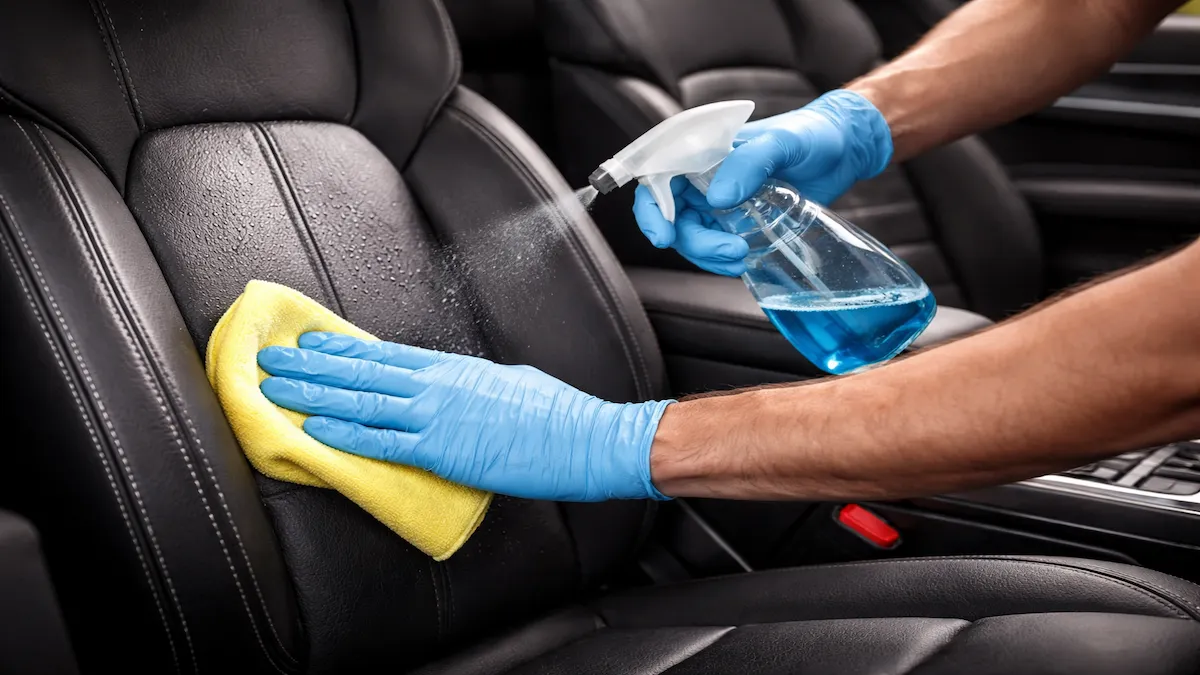
TL;DR: What are the Car Seat Cover Care Tips
Proper car seat cover maintenance involves regular vacuuming, prompt stain removal, material-specific cleaning products, UV protection and periodic deep cleaning. Following a simple maintenance routine can significantly extend the lifespan of seat covers while keeping your vehicle’s interior cleaner, more comfortable and more valuable.
Seat covers are one of the most practical upgrades you can make to a vehicle. They protect factory upholstery, improve comfort and help maintain resale value. Yet many drivers install seat covers and rarely think about them again until stains, fading or unpleasant odours become impossible to ignore.
After more than a decade working around vehicles and servicing cars exposed to everything from construction sites to family road trips, I’ve seen both extremes. Some seat covers become worn out within a year because they are neglected, while others still look excellent after five or six years because their owners follow a simple maintenance routine.
The reality is that seat covers absorb much of the daily punishment your vehicle experiences. Dirt, sweat, food spills, UV rays, pet hair and moisture all contribute to gradual wear. Without proper care, even premium seat covers can deteriorate much sooner than expected.
This guide covers everything you need to know about car seat cover maintenance, including cleaning techniques, stain removal, seasonal care tips, material-specific advice and real-world workshop insights that can help keep your interior looking its best.
What is Inside? (Quick Glance)
Why Car Seat Cover Maintenance Matters
Many vehicle owners view seat covers as disposable accessories. While they are designed to protect the original upholstery, quality seat covers are still an investment that deserves care. Regular car seat cover maintenance provides several important benefits.
First, it extends the life of the covers themselves. Dirt particles become abrasive over time and gradually wear down fabrics. Every time someone slides in or out of a seat, trapped debris can act like fine sandpaper.
Second, maintenance helps preserve the condition of the factory upholstery beneath. Moisture, food particles and dirt can become trapped between the cover and original seat material if ignored for long periods.
Third, a clean interior contributes to a more pleasant driving experience. Dust, pet hair and lingering odours can quickly make a vehicle feel older than it actually is.
Finally, maintaining the interior can support resale value. Prospective buyers often judge a vehicle’s overall condition based on the state of the cabin.
In workshop vehicles I’ve inspected over the years, interiors that received consistent maintenance almost always aged better than those that were neglected.
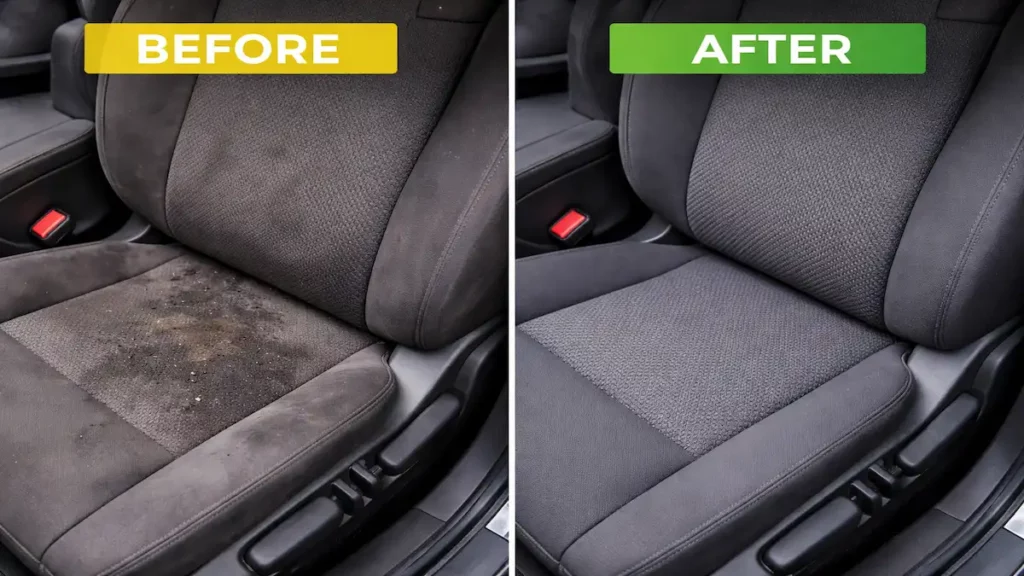
One reason I emphasise preventative maintenance is because I’ve repeatedly seen the long-term consequences of neglect.
Several years ago, I worked on a utility vehicle owned by a tradesperson who spent considerable time travelling between worksites. The vehicle was fitted with heavy-duty canvas seat covers from new.
Despite daily exposure to dust, dirt and construction debris, the covers still looked remarkably good after six years. The secret wasn’t expensive products. The owner simply vacuumed them weekly and removed them periodically to clean underneath.
On the other hand, I’ve also seen family vehicles where coffee spills, food stains and pet-related messes were left untreated for months. In some cases, the seat covers had to be replaced entirely because stains became permanent.
The difference between these outcomes was not the quality of the seat covers. It was the consistency of maintenance.
Understanding Different Seat Cover Materials
Not all seat covers should be cleaned in the same way. One of the most common mistakes people make is using a single cleaning method on every material.
Fabric Seat Covers
Fabric seat covers remain one of the most popular options because they are affordable, comfortable and available in countless styles.
They are generally easy to maintain but tend to absorb liquids quickly. Food spills and drink stains can penetrate deep into the fibres if not addressed promptly.
Regular vacuuming is especially important for fabric covers because dirt can settle deep within the material.
Neoprene Seat Covers
Neoprene covers are widely used by outdoor enthusiasts, tradespeople and drivers who frequently visit beaches.
Their water-resistant properties make them ideal for wet conditions, but they still require cleaning. Salt, sand and sunscreen residue can gradually affect appearance and performance if allowed to accumulate. A mild detergent and soft cloth are usually sufficient for routine maintenance.
Leather Seat Covers
Leather offers a premium appearance and comfortable feel, but it requires more specialised care than most other materials.
Without proper conditioning, leather can dry out and develop cracks over time. This is particularly common in vehicles that spend long periods parked in direct sunlight.
Leather cleaners and conditioners designed specifically for automotive interiors should be used periodically to maintain flexibility and appearance.
Synthetic Leather and Vinyl
Synthetic leather and vinyl seat covers have become increasingly popular because they offer a leather-like appearance with lower maintenance requirements.
These materials are generally resistant to staining and easy to wipe clean. However, harsh chemicals can damage protective coatings and cause premature peeling.
Canvas Seat Covers
Canvas covers are often found in work vehicles, utility vehicles and off-road applications.
They are highly durable but can trap dust and dirt within the fibres. While canvas handles abuse well, it still benefits from regular vacuuming and occasional deep cleaning.
The Ideal Weekly Maintenance Routine
One of the biggest misconceptions about car seat cover maintenance is that it requires a lot of time. In reality, a five to ten-minute routine each week can prevent many common problems. Start by removing loose rubbish and personal items from the seats.
Next, use a vacuum cleaner with a brush attachment to remove dust, crumbs and debris. Pay special attention to seams, folds and stitching where dirt tends to accumulate.
After vacuuming, wipe the covers with a clean microfibre cloth. This removes surface dust and helps maintain appearance between deeper cleaning sessions.
If pets regularly travel in the vehicle, consider using a pet hair removal brush before vacuuming. Pet hair can become surprisingly difficult to remove once it becomes embedded in fabric fibres.
For leather or synthetic leather covers, a quick wipe with a damp cloth can help remove body oils and surface contaminants. This simple routine can significantly reduce long-term wear and keep the interior looking fresh.
How to Clean Car Seat Covers Properly
Step 1: Read Manufacturer Instructions
Before applying any cleaning product, check the care label or manufacturer’s recommendations. Some materials tolerate machine washing while others require hand cleaning. Ignoring these instructions can lead to shrinkage, fading or permanent damage.
Step 2: Vacuum Thoroughly
Vacuuming should always come before wet cleaning. Loose dirt and debris can turn into muddy residue when mixed with water or cleaning solutions (JC Whitney). Work slowly around seams and hard-to-reach areas.
Step 3: Spot-Test Cleaning Products
Even products marketed as safe for automotive interiors should be tested on a hidden section first. A quick test can help prevent unexpected discoloration or material damage.
Using products appropriate for your seat cover material can significantly improve long-term durability.
| Material | Cleaner |
|---|---|
| Fabric | Mild upholstery cleaner |
| Leather | Leather conditioner + cleaner |
| Neoprene | Gentle soap + water |
| Vinyl | All-purpose interior cleaner |
Different materials need different care: Quick action prevents stains from setting permanently. For fabric care standards: https://www.consumerreports.org/
Step 4: Clean Gently
Use a microfibre cloth or soft-bristled brush rather than aggressive scrubbing tools. Excessive force can damage fibres and reduce the lifespan of the material.
| Material | Cleaning Method |
|---|---|
| Fabric | Mild detergent + water |
| Leather | Leather cleaner + conditioner |
| Neoprene | Gentle hand wash |
| PU Leather | Damp cloth + mild soap |
Step 5: Remove Excess Moisture
Seat covers should never remain soaked after cleaning. Use a dry towel to remove excess moisture before allowing them to air dry.
Step 6: Dry Completely
Proper drying is essential. I’ve seen cases where moisture trapped beneath seat covers eventually caused unpleasant smells and even mould growth. Allow covers to dry naturally in a well-ventilated area before reinstalling them.
Check our car seat cover buying guides
Common Car Seat Cover Stains and How to Remove Them
Coffee and Tea Stains
Coffee and tea are among the most common stains found in vehicle interiors. Blot the spill immediately using a clean cloth. Avoid rubbing because this can spread the stain further. A mixture of mild detergent and warm water is usually effective for fresh spills.
Soft Drink Spills
Soft drinks contain sugar that can leave sticky residue and attract dirt. After blotting the spill, clean the area thoroughly with a damp cloth to remove any remaining sugary residue.
Grease and Oil Marks
Grease stains can be particularly challenging. Apply a small amount of upholstery-safe cleaner and allow it to sit briefly before gently blotting the area. Repeated light treatments are usually safer than one aggressive cleaning attempt.
Mud and Dirt
Allow mud to dry completely before cleaning. Attempting to remove wet mud often spreads the stain and creates additional mess. Once dry, vacuum the affected area and clean any remaining marks using a mild cleaning solution.
Pet Accidents
Pet-related stains should be addressed immediately. Use an enzyme-based cleaner designed to break down organic matter and neutralise odours. Prompt treatment helps prevent lingering smells.
Ink and Marker Stains
Ink can be difficult to remove entirely. Specialised upholstery stain removers may help, but testing in an inconspicuous area is essential before use.
Seasonal Car Seat Cover Maintenance Tips
Summer Care
Summer presents unique challenges for vehicle interiors. High temperatures and intense sunlight can accelerate fading, drying and material deterioration.
Whenever possible:
- Park in shaded areas.
- Use a windscreen sunshade.
- Keep windows slightly ventilated where safe.
- Apply leather conditioner more frequently during hot months.
In workshop inspections, UV damage is one of the most common causes of premature seat cover ageing.
Winter Care
Winter often introduces moisture, mud and road grime into vehicle cabins. Wet clothing and footwear can transfer moisture directly onto seat covers.
Regular cleaning becomes especially important during colder months to prevent stains and mildew.
Rainy Season Care
Vehicles used during wet weather should be inspected regularly for trapped moisture. Water-resistant covers offer some protection, but moisture can still become trapped underneath if ignored.
Ensuring proper drying after exposure to rain helps prevent odours and mould development.
DIY Cleaning vs Professional Detailing
One question I hear frequently is whether professional detailing is worth the cost when it comes to car seat cover maintenance. The answer depends largely on the condition of the seat covers and the amount of time you’re willing to invest.
For routine maintenance, most vehicle owners can achieve excellent results themselves. Regular vacuuming, spot cleaning and periodic deep cleaning using quality products are usually sufficient to keep seat covers in good condition.
However, professional detailing can provide benefits that are difficult to replicate at home.
Professional detailers often have access to commercial-grade extraction equipment capable of removing deeply embedded dirt and contaminants. They also possess experience in treating difficult stains without damaging delicate materials.
DIY Cleaning Advantages
DIY maintenance offers several benefits:
- Lower long-term cost
- Greater convenience
- Immediate response to spills
- Familiarity with your vehicle’s materials
For many owners, a consistent DIY routine is enough to maintain excellent results.
Professional Detailing Advantages
Professional services may be worthwhile when:
- Stains have become deeply embedded
- Strong odours persist
- Seat covers have not been cleaned for years
- Valuable leather covers require specialised treatment
In workshop vehicles used in demanding environments, professional detailing every twelve to eighteen months often helps restore appearance and extend seat cover life.
For most drivers, combining regular DIY maintenance with occasional professional detailing provides the best balance between cost and results.
How Proper Car Seat Cover Maintenance Saves Money
Many people view seat cover cleaning as an unnecessary expense or inconvenience. In reality, maintenance is often far cheaper than replacement.
Quality seat covers can range from modestly priced fabric sets to premium custom-fitted products costing several hundred pounds or dollars. When neglected, seat covers may require replacement years earlier than expected.
Beyond replacement costs, poor maintenance can also affect the factory upholstery beneath the covers.
I’ve inspected vehicles where trapped moisture and dirt caused staining or deterioration of the original seats. Repairing or restoring factory upholstery can be significantly more expensive than replacing seat covers alone. Maintaining a clean interior can also influence resale value.
Potential buyers frequently judge how well a vehicle has been cared for by looking at the condition of the cabin. Clean, fresh-smelling interiors create a more positive impression than stained or worn interiors.
Viewed over the life of a vehicle, regular car seat cover maintenance is one of the most cost-effective forms of preventative care.
Protecting Seat Covers from Premature Wear
Cleaning removes contaminants, but protection helps prevent damage from occurring in the first place.
Minimise UV Exposure
Sunlight is one of the biggest enemies of automotive interiors.
Extended UV exposure can cause:
- Colour fading
- Material weakening
- Leather cracking
- Stitching deterioration
Simple measures such as parking in covered areas and using sunshades can significantly reduce UV-related damage.
Avoid Sharp Objects
Tools, keys, belt buckles and other hard objects can cause tears and abrasion. Work vehicles are particularly vulnerable because occupants often carry equipment that comes into contact with the seats.
Taking a few extra seconds to remove sharp items before entering the vehicle can help prevent costly damage.
Clean Spills Immediately
The longer a stain remains untreated, the greater the risk of permanent damage. Prompt action remains one of the most effective forms of protection.
Use Protective Treatments
Fabric protectors create a barrier that helps repel liquids and stains. Leather conditioners help maintain flexibility and reduce cracking.
Using products appropriate for your seat cover material can significantly improve long-term durability.
Common Car Seat Cover Maintenance Mistakes
Avoiding common mistakes can significantly extend the lifespan of seat covers.
Using Harsh Chemicals
Household cleaners are not always suitable for automotive interiors. Some products can strip protective coatings or cause discoloration.
Excessive Scrubbing
Aggressive scrubbing may damage fibres and accelerate wear. Gentle cleaning is usually more effective.
Ignoring Manufacturer Instructions
Seat cover manufacturers provide cleaning recommendations for a reason. Ignoring those instructions can lead to avoidable damage.
Leaving Covers Damp
Moisture trapped inside seat covers can encourage mould growth and unpleasant odours. Always allow covers to dry completely before reinstalling them.
Neglecting the Area Underneath
One overlooked aspect of car seat cover maintenance is cleaning beneath the covers. Dirt and moisture can accumulate out of sight and eventually affect both the cover and original upholstery. Periodic inspection helps prevent hidden problems.
Final Thoughts
Proper car seat cover maintenance is one of the simplest ways to preserve a vehicle’s interior while protecting your investment.
Whether your vehicle uses fabric, neoprene, leather, vinyl or canvas covers, the fundamentals remain the same. Regular cleaning, prompt stain removal, UV protection and proper drying all contribute to longer service life.
Over the years, I’ve seen countless examples proving that consistent maintenance almost always outperforms expensive repairs or replacements later.
The owners who spend a few minutes each week caring for their seat covers typically enjoy cleaner interiors, fewer odours and better long-term appearance.
The good news is that effective car seat cover maintenance does not require expensive equipment or professional expertise.
A simple routine performed consistently can keep your vehicle’s interior looking newer for years while helping maintain comfort, cleanliness and resale value.
Frequently Asked Questions
How often should car seat covers be cleaned?
Most vehicles benefit from light cleaning every few weeks and deeper cleaning every two to three months. High-use vehicles may require more frequent attention.
What is the best cleaner for seat covers?
Depends on material, fabric cleaners for cloth, conditioners for leather, mild soap for neoprene.
How do I remove tough stains from seat covers?
Use a dedicated upholstery cleaner and blot gently. Avoid scrubbing aggressively.
Do seat covers really protect original seats?
Yes, but only if maintained properly. Dirty covers can actually damage seats underneath.
Can seat covers damage original upholstery?
Properly fitted and maintained seat covers generally protect upholstery. However, trapped moisture or dirt can potentially cause problems if ignored for long periods.
Is steam cleaning safe for seat covers?
Steam cleaning can be effective for some materials but may not be suitable for all seat covers. Always check manufacturer recommendations first.
What products should be avoided?
Avoid bleach, harsh solvents and strong household cleaners unless specifically approved for automotive upholstery.
Are waterproof seat covers completely waterproof?
Not always. Water-resistant and waterproof are different ratings. Check manufacturer specifications before relying on a cover for complete moisture protection.
Should seat covers be removed before cleaning?
Whenever practical, removing covers allows more thorough cleaning and inspection of the original upholstery underneath.
How long do quality seat covers typically last?
With proper car seat cover maintenance, quality seat covers can often last five years or more depending on material, usage and environmental conditions.
Can I machine wash seat covers?
Some fabric covers can be machine washed, but many materials require hand cleaning. Always follow manufacturer instructions.
I currently do not use seat covers for my car, and this post helped me realize how important they can be. Protecting seats from spills, stains, and daily wear makes a lot of sense, especially for keeping the interior in good condition long term. I also appreciate the maintenance tips, since caring for them properly is just as important as buying them. Do you think seat covers are a worthwhile investment for every driver, or mainly for families and heavy daily use?
Hi Monica, that is a great question! While families and heavy users definitely see the benefits immediately, I truly believe seat covers are a worthwhile investment for almost every driver. Think of them as “interior insurance.” Even if you don’t have kids or pets, daily factors like UV rays from the sun can fade upholstery, and simple friction from getting in and out of the car eventually wears down the fabric or leather.
By using covers, you’re making sure that the day you decide to sell or trade in your car, the original seats look exactly as they did the day you bought it. It’s one of the easiest ways to keep that “new car” feeling (and value) intact! I’m so glad the maintenance tips helped keeping them clean is definitely the secret to making that investment last.