
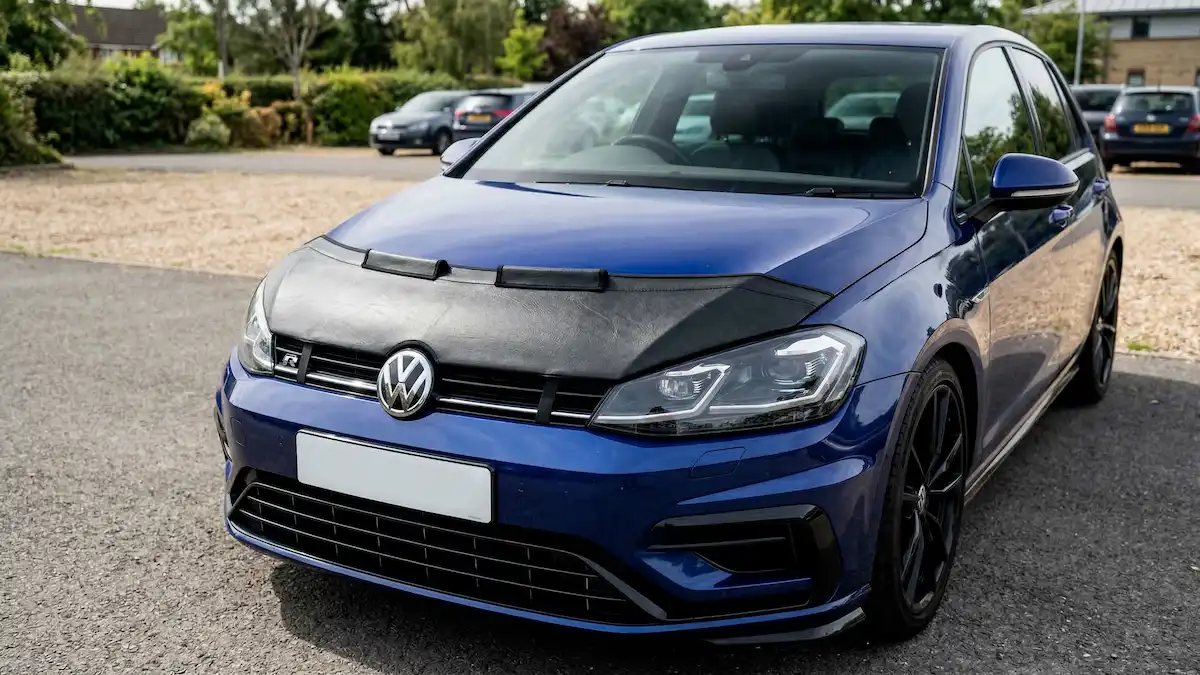

TL;DR: What Are the Best Car Bonnet Protectors?
The best car bonnet protectors are vehicle-specific accessories fitted along the leading edge of the bonnet to reduce damage from stones, insects and road debris. They redirect airflow over the bonnet and windscreen, helping minimise paint chips while making bug splatter easier to clean. High-quality acrylic and polycarbonate models provide the best balance of durability, appearance and long-term protection for most drivers.
Your car’s bonnet faces more punishment than almost any other painted panel. Every highway trip exposes it to stones, insects, loose gravel and road debris.
While a few tiny chips might not seem important at first, they can quickly develop into rust spots, faded paint and expensive repair bills.
Many drivers only start looking for the best car bonnet protectors after they notice chipped paint across the front edge of the bonnet.
By then, preventing the damage has become repairing it. A quality bonnet protector is a simple upgrade that helps avoid those costs while keeping your vehicle looking newer for longer.
Having worked on vehicles driven in cities, rural areas and long-distance highway routes, I’ve seen how quickly the front of a vehicle can deteriorate without protection.
Cars that regularly travelled country roads often arrived with dozens of stone chips after only a few months, while similar vehicles fitted with quality bonnet protectors showed noticeably less damage.
Whether you commute every day, tow a caravan on weekends or enjoy long road trips, choosing the right bonnet protector can save money, reduce maintenance and preserve your vehicle’s appearance for years.
What is Inside? (Quick Glance)
What Is a Car Bonnet Protector?
A car bonnet protector is an exterior accessory designed to protect the front edge of the bonnet from everyday road hazards.
It acts as a physical barrier while also redirecting airflow upwards, helping reduce the impact of stones, insects and small debris before they hit the painted surface.
Depending on the manufacturer, you may also hear it called a bug deflector, bonnet guard, hood protector or bonnet shield.
While the names vary, they all perform the same basic job of protecting one of the most exposed parts of your vehicle.
Unlike paint protection film, which covers the paint directly, a bonnet protector sits slightly above the bonnet.
This small gap allows air to flow underneath the protector, creating an upward stream that carries many insects and lightweight debris over the bonnet and windscreen.
Tis makes bonnet protectors particularly useful for drivers who regularly travel on motorways, country roads or construction routes where loose gravel and flying debris are common.
During routine inspections, it’s common to see vehicles without bonnet protection develop clusters of stone chips along the front edge.
Once the clear coat breaks, moisture can reach the metal underneath, increasing the risk of corrosion over time. Preventing those first chips is usually much cheaper than repainting an entire bonnet.
Another advantage is easier cleaning. Anyone who has driven hundreds of kilometres through insect-heavy areas knows how difficult dried bug residue can be to remove.
Because fewer insects strike the bonnet directly, cleaning becomes quicker and the paint remains in better condition.
Modern bonnet protectors are also designed with appearance in mind. Vehicle-specific models follow the contours of the bonnet closely, giving a factory-style finish instead of looking like an aftermarket accessory
Why More Drivers Are Installing Bonnet Protectors
Vehicle paint has become thinner than it was years ago because of environmental regulations and modern manufacturing processes. While today’s paint systems are durable, they can still suffer from repeated impacts caused by stones and road debris.
Repairing chipped paint is rarely cheap. A professional bonnet respray often costs several hundred dollars, while colour matching metallic or pearl finishes can increase the price even further.
A bonnet protector costs far less than repairing damaged paint and continues protecting the vehicle every time you drive.
Drivers who regularly benefit from bonnet protectors include:
- Daily motorway commuters.
- Rural and regional drivers.
- Four-wheel-drive owners.
- Caravan and trailer owners.
- Tradespeople covering long distances.
- Families taking frequent road trips.
If most of your driving is limited to short urban journeys at lower speeds, the benefit may be less noticeable. However, even city vehicles can suffer damage from loose gravel, roadworks and motorway travel.
One question I hear quite often is whether bonnet protectors are only worthwhile for new vehicles. In reality, they can also help older vehicles by preventing existing paint damage from becoming worse.
Protecting what remains of the original finish often helps preserve resale value and reduces future maintenance costs.
Benefits of Using the Best Car Bonnet Protectors
A bonnet protector might seem like a simple accessory, but its value becomes obvious after months or years of regular driving. It helps prevent everyday damage that gradually affects your vehicle’s appearance and can lead to expensive repairs.
Protects the Bonnet from Stone Chips
Stone chips are one of the biggest causes of paint damage on the front of a vehicle. Small stones thrown up by passing traffic can strike the bonnet at high speed, leaving tiny chips that expose the metal underneath.
Once the paint is damaged, moisture and dirt can work their way into the exposed area. Left untreated, this can eventually lead to corrosion and a bonnet that needs repainting.
Over the years, I’ve inspected plenty of highway-driven vehicles where the front edge of the bonnet was covered with dozens of stone chips.
In many cases, the owners wished they had installed a protector much earlier because repainting the bonnet cost far more than the accessory itself.
Reduces Bug Splatter
Insects may seem harmless, but they can damage your vehicle’s paint if they are not removed promptly. Their remains contain acidic compounds that become harder to clean after baking in the sun.
A bonnet protector changes the airflow across the front of the vehicle, helping deflect many insects over the bonnet instead of allowing them to strike directly.
While it will not stop every insect, it noticeably reduces the amount of residue that sticks to the paint, making routine washing quicker and easier.
Helps Maintain Resale Value
The condition of the front end often shapes a buyer’s first impression of a vehicle. Stone chips, faded paint and visible wear suggest the car has spent years on the road without much protection.
A bonnet that remains in good condition gives the impression of careful ownership. Even if buyers never mention the bonnet protector itself, they usually notice the cleaner paint underneath.
If you plan to sell or trade in your vehicle later, preserving the original paint can make it more appealing to potential buyers.
Saves Money on Paint Repairs
Professional paint repairs are rarely inexpensive. Fixing a heavily chipped bonnet often involves sanding, repainting and blending surrounding panels to achieve a consistent finish.
Installing a bonnet protector is a preventative investment. Spending a relatively small amount now can help avoid much larger repair costs in the future.
Adds Everyday Driving Confidence
When travelling on motorways or country roads, you cannot avoid every loose stone thrown up by other vehicles. Although a bonnet protector cannot eliminate all damage, it provides extra reassurance that your paint has an added layer of defence.
Many drivers appreciate that peace of mind, especially during long-distance trips or holiday travel.
Best Materials for Car Bonnet Protectors
The material you choose affects durability, appearance, impact resistance and overall value. Some are designed for everyday commuting, while others are better suited to demanding driving conditions.
| Material | Advantages | Drawbacks | Best For |
|---|---|---|---|
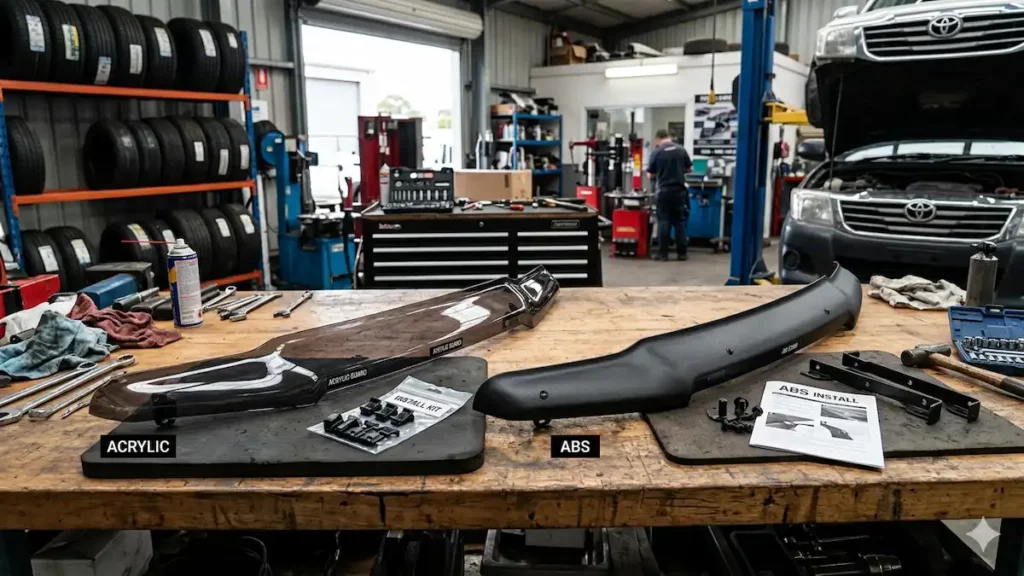
| Acrylic | Affordable, lightweight, UV resistant, available in clear or tinted finishes | Less impact resistant than polycarbonate | Daily driving and mixed road use |
| Polycarbonate | Extremely strong, highly impact resistant and long lasting | Higher purchase price | Highway driving, touring and off-road vehicles |
| ABS Plastic | Durable, lightweight and resistant to weather | Limited styles for some vehicle models | Everyday use and work vehicles |
| Paint Protection Film (PPF) | Invisible protection that preserves the factory appearance | Expensive and requires professional installation | Premium and luxury vehicles |
| Vinyl Bonnet Bra | Covers a larger section of the bonnet | Can trap moisture if poorly maintained | Temporary protection and older vehicles |
Acrylic Bonnet Protectors
Acrylic is the most common material found on quality bonnet protectors. It provides a good balance between durability, appearance and affordability.
Modern acrylic protectors are treated to resist fading and maintain their clarity after years of sun exposure. They are suitable for most drivers who regularly commute or travel on sealed roads.
A quality acrylic protector can provide many years of reliable service when installed correctly and cleaned regularly.
Polycarbonate Bonnet Protectors
Polycarbonate is stronger than acrylic and offers greater resistance to impacts from stones and road debris.
If you regularly drive long highway distances, travel through rural areas or enjoy off-road adventures, polycarbonate is often worth the extra investment.
Its additional strength makes it less likely to crack or suffer damage after repeated impacts.
ABS Plastic Protectors
ABS plastic combines strength with flexibility, making it another reliable option for everyday use.
Many manufacturers use ABS because it withstands changing temperatures well and maintains its shape over time. Although not as impact resistant as polycarbonate, it performs well for general road use.
Paint Protection Film
Paint Protection Film works differently from traditional bonnet protectors. Instead of sitting above the bonnet, it is applied directly to the paint.
Its biggest advantage is that it remains almost invisible while protecting the surface from scratches, stone chips and staining.
However, professional installation is usually recommended, making it one of the most expensive options.
Vinyl Bonnet Bras
Vinyl bonnet bras were once very popular because they covered a larger portion of the bonnet.
Today, they are less common because they require regular removal for cleaning. Dirt and moisture trapped underneath can damage the paint if left unattended.
They can still provide effective protection when maintained properly, but they require considerably more care than modern bonnet protectors.
How to Choose the Best Car Bonnet Protector
Not every bonnet protector offers the same level of protection. Looking beyond price can help you avoid disappointment and ensure the accessory lasts for years.
Buy a Vehicle-Specific Protector
The best bonnet protectors are designed specifically for your vehicle’s make, model and year.
A precise fit follows the bonnet’s contours, reduces vibration and creates better airflow. Universal products rarely fit as neatly and may leave gaps or move while driving. Before ordering, always confirm compatibility with your exact vehicle.
Choose the Right Material
Your driving habits should determine the material you select. If you mainly drive in urban areas, acrylic usually provides more than enough protection.
Drivers who regularly travel on motorways, gravel roads or regional routes should consider polycarbonate because of its superior impact resistance.
Premium vehicle owners who prefer an invisible finish may find Paint Protection Film a better choice.
Look for UV Resistance
Constant exposure to sunlight can cause poor-quality protectors to fade, become brittle or develop a yellow tint.
A UV-stabilised protector maintains its appearance for much longer and continues protecting the bonnet without becoming discoloured.
This feature is particularly important if your vehicle spends long periods parked outdoors.
Check the Mounting System
The mounting system influences both durability and ease of installation. Clip-on systems are generally the preferred option because they secure the protector firmly without drilling into the bonnet.
Some models use existing factory mounting points, making installation straightforward while avoiding permanent modifications.
Adhesive-mounted protectors can work well, but only when high-quality automotive tape is used and the installation surface is properly prepared.
Consider Your Driving Environment
Different driving conditions place different demands on a bonnet protector. Frequent motorway travel exposes the vehicle to higher-speed impacts from stones.
Country roads often contain loose gravel and dust. Construction zones increase the chance of flying debris.
Matching the protector to your typical driving conditions ensures you receive the level of protection you actually need rather than paying for features you may never use.
Think About Appearance
A bonnet protector should complement your vehicle rather than look like an afterthought.
Tinted smoke finishes are popular because they blend well with most paint colours and remain discreet. Clear protectors preserve the original appearance while still providing protection.
Whichever style you choose, ensure it follows the bonnet lines closely for a clean, factory-style finish.
How to Install a Car Bonnet Protector Correctly
Most modern bonnet protectors are designed for straightforward installation and usually require only basic hand tools. Even so, taking a little extra time during installation can make a big difference to how well the protector performs.
Always begin by reading the manufacturer’s instructions. Although the overall process is similar, mounting hardware varies between brands and vehicle models.
Before fitting the protector, wash the bonnet thoroughly and dry it completely. Dirt trapped between the protector and the paint can gradually leave fine scratches, particularly if the vehicle is driven on dusty roads.
Position the protector carefully before tightening any clips or fasteners. Once everything lines up correctly, tighten the fittings evenly without overtightening them.
Applying excessive force can crack acrylic protectors or place unnecessary stress on mounting points.
After installation, check that the bonnet opens and closes normally and confirm that the protector does not contact painted surfaces where vibration could cause rubbing over time.
Caring for Your Bonnet Protector
A quality bonnet protector requires very little maintenance, but regular cleaning helps it continue looking good while protecting your vehicle.
Wash the protector whenever you wash the rest of the car. Use a pH-neutral car shampoo and a soft microfibre cloth to remove dirt, insects and road grime without scratching the surface.
Avoid harsh chemicals, abrasive pads or household cleaners, as these can dull the finish or damage protective coatings.
If insects remain stuck after a long journey, soak the area with water or use a dedicated bug remover before wiping the surface clean. Scrubbing dried residue aggressively can leave fine scratches.
During routine servicing or washing, it’s also worth checking that all clips and mounting hardware remain secure. Road vibration can gradually loosen fittings over time, especially on vehicles that regularly travel rough roads.
With basic care, a high-quality bonnet protector can continue performing well for many years.
Common Car Bonnet Protectors Mistakes to Avoid
Choosing the right bonnet protector is only part of the process. Poor purchasing decisions or incorrect installation can reduce its effectiveness and sometimes create new problems.
Buying a Universal Protector
Universal protectors may appear cheaper, but they rarely match the bonnet shape accurately.
Poor fitment can cause vibration, increased wind noise and uneven protection. In some cases, movement against the paint can create scratches instead of preventing them. A vehicle-specific protector is almost always the better investment.
Choosing Price Over Quality
The least expensive option is not always the most economical. Lower-quality plastics can become brittle after prolonged sun exposure and may crack or fade much sooner than premium materials.
Spending a little more on a reputable brand usually results in better durability and a longer service life.
Skipping Surface Preparation
Installing a protector over dust, grit or old wax can reduce adhesion and trap contaminants against the paint.
Taking a few extra minutes to clean the bonnet properly before installation helps prevent unnecessary paint damage later.
Ignoring Regular Cleaning
Although bonnet protectors reduce bug splatter and stone damage, they still collect dirt over time.
Allowing debris to build up underneath or around the mounting points can affect both appearance and long-term performance.
Regular cleaning is a simple habit that protects both the accessory and the paint beneath it.
Assuming Every Protector Performs the Same
Not all bonnet protectors use the same materials or manufacturing standards. A well-designed protector fits securely, resists UV damage and follows the bonnet profile closely.
Poorly designed products may provide only limited protection despite looking similar at first glance.
For additional information about protecting your vehicle’s paint and exterior, refer to these trusted resources:
- Consumer Reports: https://www.consumerreports.org/cars/car-safety/how-to-protect-your-car-paint/
- 3M Paint Protection Films: https://www.3m.com/
- Autoblog Car Care: https://www.autoblog.com/
If you’re serious about protecting your car, you should also check: https://pickyaura.com/car-safety-and-security/how-to-choose-car-anti-theft-devices/
Final Thoughts
The best car bonnet protectors do far more than improve your vehicle’s appearance. They provide practical protection against stone chips, insects and everyday road debris that gradually wear away the front of your vehicle.
Choosing a high-quality protector that matches your vehicle and driving conditions helps preserve the paint, reduce maintenance and avoid expensive repairs later.
Whether you drive long highway distances, commute daily or simply want to keep your vehicle looking its best, this small upgrade delivers long-term value.
From what I’ve seen in the workshop, the vehicles with the cleanest bonnet edges are often the ones that were protected early rather than repaired later. Preventing damage is almost always easier and less expensive than restoring damaged paint.
If you regularly travel beyond city streets, investing in a well-made bonnet protector is one of the simplest ways to protect your vehicle for years to come.
Car Bonnet Protector FAQs
Are bonnet protectors really effective?
Yes. A properly fitted bonnet protector helps reduce damage from stones, insects and road debris by shielding the leading edge of the bonnet and redirecting airflow over the vehicle. While it cannot prevent every impact, it can noticeably reduce everyday wear.
Can a bonnet protector damage my paint?
Not when it is installed and maintained correctly. Problems usually occur when dirt becomes trapped underneath or when a poorly fitted protector rubs against the paint. Regular cleaning and choosing a vehicle-specific model greatly reduce this risk.
Which material is best for a bonnet protector?
Polycarbonate offers the highest impact resistance and is ideal for frequent highway or rural driving. Acrylic provides excellent value, attractive styling and dependable protection for most everyday drivers.
Do bonnet protectors affect fuel economy?
Any effect is extremely small and is unlikely to be noticeable during normal driving. Modern protectors are shaped to work with the vehicle’s airflow rather than create excessive drag.
How long does a bonnet protector last?
A quality bonnet protector made from UV-resistant materials can last well over five years with proper care. Lifespan depends on the material, driving conditions and regular maintenance.
Can I install a bonnet protector myself?
Most bonnet protectors are designed for DIY installation using the supplied clips and brackets. Following the manufacturer’s instructions carefully helps ensure a secure fit and avoids unnecessary paint damage.
Should I choose a bonnet protector or Paint Protection Film?
It depends on your priorities. A bonnet protector provides excellent defence against stones and insects while remaining relatively affordable. Paint Protection Film offers almost invisible protection but usually costs more and requires professional installation.
I think many car owners focus on appearance upgrades first, but protective accessories like this can save money over time by helping prevent scratches and paint damage. It is always smart to protect a vehicle before problems happen rather than repair them later. I appreciate how clearly you explained the benefits and options. Do you think bonnet protectors also help with resale value by keeping the front end in better condition?
Hi Monica, thank you for your thoughtful comment! You hit on a very important point that many people overlook
To answer your question: Yes, absolutely. Bonnet protectors play a significant role in maintaining resale value. The front “nose” of a car is the first thing a buyer or dealer inspects. If it is peppered with stone chips or has significant paint thinning from road debris, it immediately suggests the car hasn’t been meticulously cared for.
By keeping that specific area in showroom condition, you are essentially protecting your future “trade-in” or private sale price. It’s much cheaper to invest in a quality protector now than to pay for a professional front-end respray right before you try to sell the vehicle. I really appreciate you highlighting the “protection vs. repair” mindset. It’s the smartest way to manage a vehicle over the long term!