
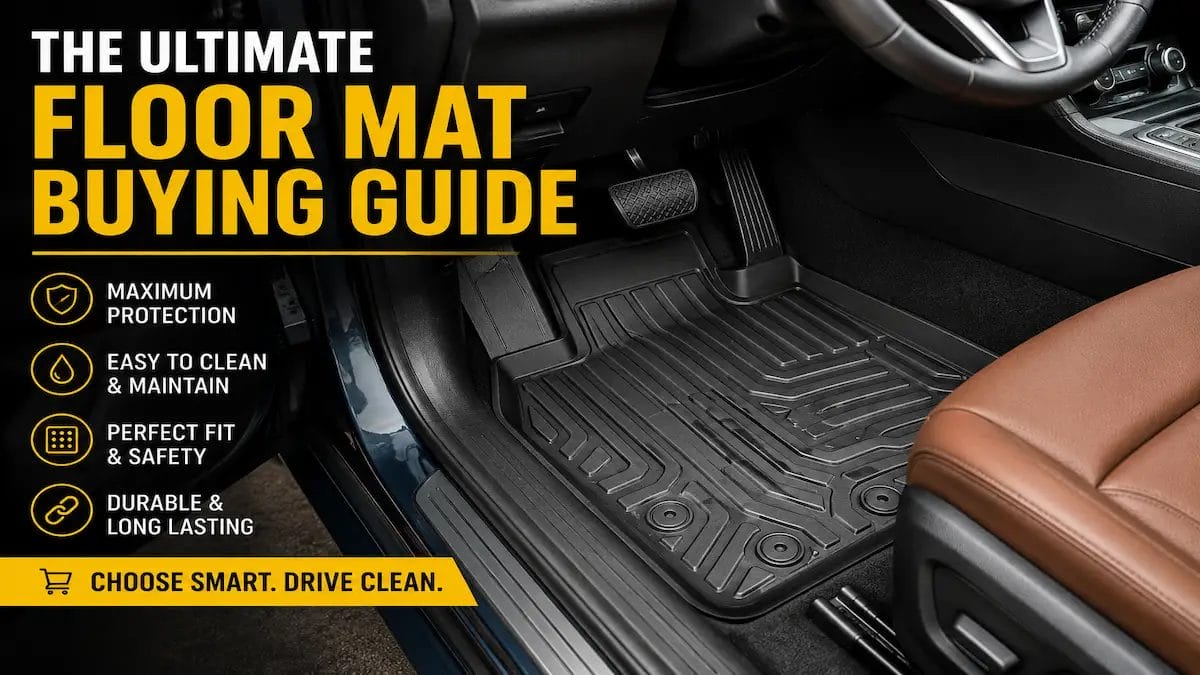
TL;DR: How to Select Vehicle Floor Mats
Choosing the right vehicle floor mats depends on your climate, driving habits, vehicle type, and cleaning preferences. All-weather rubber mats provide the best protection against mud, water, and spills, while carpet mats offer better comfort and appearance. A high-quality custom-fit floor mat improves interior protection, resale value, and long-term cleanliness.
If you’re searching for the best floor mat buying guide, here’s the simple truth after working on cars for more than 10 years as an automotive diagnostic technician: cheap floor mats usually end up costing more in the long run.
I’ve seen vehicles come into the workshop with stained carpets, rust starting under soaked flooring, and even damaged factory clips because the owner bought low-quality mats online without checking proper fitment. A good floor mat isn’t just about looks anymore. The modern floor mats are designed for safety, interior protection, easier cleaning, and even improving resale value.
Whether you drive daily through rain, dust, mud, beach sand, or city traffic, the right floor mats can make a massive difference.
Table of Contents
Check the car seat cover buying guide here
Why Floor Mats Matter More
Modern vehicle interiors are becoming more expensive to repair. Many newer cars now include underfloor wiring, sensors, insulation layers, and electronic modules beneath the carpet.
One water leak from a soaked carpet can create mold smells, corrosion, or electrical issues. That’s why the floor mat buying guide conversation has changed over the years. It’s no longer just about appearance. Protection matters more than ever.
I recently worked on a family SUV where the owner ignored wet carpets for months because their universal mats kept sliding around. Moisture eventually reached a wiring harness under the passenger footwell. The repair bill was painful and honestly, it could’ve been avoided with proper custom-fit mats. That’s the kind of real-world problem most buying guides don’t talk about.
For drivers who travel often or carry emergency gear, you should also check:
https://pickyaura.com/ev-accessories-and-tools/ev-emergency-kit-reviews/
Types of Car Floor Mats
1. All-Weather Rubber Floor Mats
All-weather mats are the most practical option for most drivers. These mats are made from heavy-duty rubber, TPE (thermoplastic elastomer), or similar waterproof materials. They’re designed to trap dirt, snow, water, sand, and mud before it reaches the factory carpet.
Best For:
- Families
- Off-road vehicles
- Rainy climates
- Work trucks
- Rideshare drivers
- Beach driving
Pros
- Easy to clean
- Waterproof
- Extremely durable
- Better spill protection
- Ideal for pets and kids
Cons
- Less luxurious appearance
- Can feel stiff in cold weather
- Cheaper versions may smell strongly
Honestly, this is what I recommend to most daily drivers. You don’t realize how much dirt enters your car until you remove a proper all-weather mat after six months. It’s wild.
2. Carpet Floor Mats
Carpet mats focus more on comfort and appearance. They usually match the vehicle interior better and give the cabin a softer, more premium feel.
Best For:
- Luxury vehicles
- Dry climates
- Drivers prioritizing appearance
Pros
- Comfortable feel
- Cleaner factory-style appearance
- Quieter cabin feel
Cons
- Harder to clean
- Absorbs moisture
- Stains more easily
- Wears out faster
One customer I worked with owned a luxury sedan and insisted on keeping factory carpet mats because they looked better. Fair enough. But after one rainy season, the driver-side mat was permanently stained and smelled musty. He eventually switched to premium hybrid mats with removable liners.
That’s the thing appearance matters, but practicality matters too.
Custom Fit vs Universal Floor Mats
This is probably the biggest mistake buyers make.
Universal Mats
Universal mats are cheaper and designed to fit “most” vehicles. The problem? “Most” rarely means perfect. They slide, bunch up, leave exposed carpet areas, and sometimes interfere with pedals.
Custom-Fit Mats
Custom-fit mats are laser-measured specifically for your vehicle model.
Why They’re Better
- Full floor coverage
- Safer pedal clearance
- Better spill containment
- Cleaner appearance
- Improved resale value
In my experience, custom-fit mats are absolutely worth it if you plan to keep your car longer than a year or two. You’ll thank yourself later.
Important Features to Look For
Raised Edges
Raised edges trap liquids and dirt before they spread. This matters more than people think. Coffee spills, muddy shoes, melted ice, or kids dropping juice boxes can quickly damage factory carpeting. Look for mats with deep channels and raised outer lips.
Anti-Slip Backing
A sliding floor mat is dangerous.
Driver-side mats that move under pedals can create serious safety issues. Always choose mats with:
- Retention clips
- Factory anchor compatibility
- Non-slip backing
Never ignore this feature.
Material Quality
Cheap rubber mats often crack, curl, or smell terrible after a few months. High-quality TPE materials are usually the best balance between flexibility, durability, and odor resistance. Trusted brands often use:
- TPE
- Heavy-duty rubber
- Hybrid polymer materials
Easy Cleaning
Some mats clean easily with a hose. Others trap dirt in deep grooves that become annoying fast. As someone who cleans workshop vehicles constantly, I can tell you simple designs usually age better. Fancy patterns look cool online but become frustrating later.

Best Floor Mats for Different Drivers
Best Floor Mats for Family Vehicles
Go with deep-dish all-weather mats. Kids spill everything. That’s just reality. You’ll want maximum spill protection and easy cleaning.
Floor Mats for Off-Road Vehicles
Heavy-duty rubber mats with deep channels work best. Mud, gravel, and water destroy carpet mats quickly.
Best for Luxury Vehicles
Premium carpet mats or hybrid mats provide the best appearance while still offering protection.
Best for Rideshare Drivers
Durability matters most. You’ll clean these constantly, so easy maintenance becomes critical.
Common Mistakes Buyers Make
Buying Only Based on Price
Cheap mats often:
- Curl up
- Crack
- Slide around
- Wear out quickly
A slightly more expensive mat usually lasts years longer.
Ignoring Rear Seat Coverage
Rear passengers create just as much mess as front passengers. Sometimes more. Don’t skip rear coverage if you carry passengers often.
Choosing Looks Over Function
This happens a lot. A beautiful mat that fails during rainy weather becomes frustrating very quickly. Balance appearance with real protection.
Are Expensive Floor Mats Worth It?
Usually, yes. Especially if:
- You own a newer vehicle
- You drive daily
- You live in wet climates
- You plan to sell the vehicle later
Good floor mats protect resale value surprisingly well. Dealers absolutely notice stained carpets during trade-ins.
If I had to give one simple recommendation from this entire floor mat buying guide, it would be this: Buy custom-fit all-weather mats from a reputable brand. That combination solves most problems before they happen.
I’ve personally seen vehicles with 150,000+ km still looking nearly factory-clean underneath because the owner invested in proper mats early. Meanwhile, I’ve also seen 3-year-old cars with destroyed carpets because the owner tried saving a few dollars upfront. It happens all the time.
Buyer’s Guide Checklist
Before buying floor mats, check these points:
- Vehicle-specific fitment
- Waterproof protection
- Raised edge design
- Retention clip compatibility
- Easy cleaning
- Odor resistance
- Rear seat coverage
- Durable material construction
If a mat checks all those boxes, you’re usually in good shape. WeatherTech Official Website & Husky Liners Official Website
Check our steering wheel buying guide here
Final Thoughts
Finding the right mats doesn’t need to be complicated. The best approach is focusing on real-world protection, durability, safety, and ease of cleaning rather than just appearance.
After more than a decade working as an automotive diagnostic technician, I genuinely believe investing in quality floor mats early is one of the smartest ways to protect your vehicle interior long term.
A proper custom-fit setup simply works better. And, with repair costs climbing higher every year, prevention matters more than ever.
If you’re serious about interior protection, don’t wait until your factory carpet is already damaged. A quality set of mats pays for itself faster than most drivers realize.
Frequently Asked Questions
What are the best floor mats for cars in 2026?
All-weather custom-fit floor mats are considered the best option for most drivers in 2026 because they provide better protection against dirt, water, mud, and spills while improving long-term interior durability.
Are rubber floor mats better than carpet mats?
Rubber floor mats are better for durability, waterproofing, and easy cleaning. Carpet mats provide a more premium appearance and softer feel but require more maintenance.
Do custom-fit floor mats really matter?
Yes. Custom-fit mats provide better coverage, safer pedal clearance, improved spill containment, and a cleaner factory appearance compared to universal mats.
How often should you replace car floor mats?
High-quality floor mats can last 5–10 years depending on driving conditions, climate, and maintenance habits.
Can floor mats affect resale value?
Absolutely. Clean carpets and protected interiors help maintain vehicle resale value and improve overall buyer perception during trade-ins or private sales.