
TL;DR: What is a Best Car Audio Wiring Kits
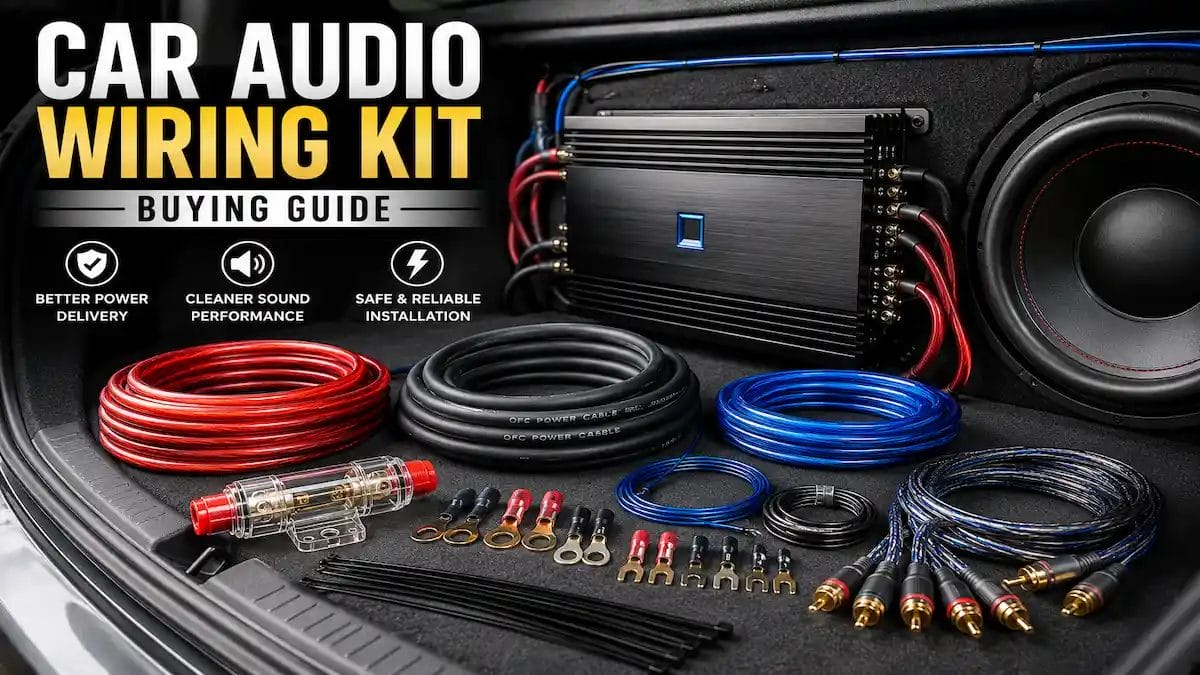
A car audio wiring kit provides the power cables, ground wires, fuse holders, RCA cables, speaker wires, and connectors needed to safely install an aftermarket amplifier or sound system. The best car audio wiring kit depends on amplifier power, true wire gauge, oxygen-free copper quality, fuse protection, and installation reliability for clean sound and long-term safety.
Choosing the right car audio wiring kit is one of the most important steps in building a reliable car sound system. A high-quality kit improves amplifier performance, prevents voltage drops, reduces overheating risks, and helps deliver cleaner audio. Cheap wiring kits often use undersized cables or aluminum-clad wires that can cause weak bass, distortion, blown fuses, or even electrical problems over time.
I’ve seen plenty of audio installs fail because someone tried to save money on wiring. Honestly, the amplifier usually gets blamed first, but many times the real problem is poor-quality wiring hidden behind the panels. A proper car audio wiring kit can make a huge difference in both sound quality and long-term reliability.
If you’re upgrading your sound system, this guide will help you choose the right kit without wasting money or damaging your vehicle’s electrical system.
Table of Contents
Why a Car Audio Wiring Kit Matters
A lot of people spend hundreds on subwoofers and amplifiers but grab the cheapest wiring kit they can find. That’s where problems begin.
Your amplifier depends on stable voltage delivery. If the wiring is too thin or poor quality, the amp struggles to get enough current. That can lead to dimming headlights, overheating amps, clipping, weak bass, and blown fuses.
A few years ago, a customer came into the workshop complaining that his brand-new amplifier kept shutting down randomly. He already replaced the amp once because he thought it was defective. After checking the install, I found a cheap “8-gauge” wiring kit that was thinner than some proper 10-gauge cables I’ve used. The voltage drop under load was massive. We replaced it with a quality OFC 4-gauge kit, and the system worked perfectly afterward. That’s why buying the correct car audio wiring kit matters from day one.
Check our article on best car audio accessories here
What Comes Inside a Car Audio Wiring Kit?
Most kits include:
- Power cable
- Ground cable
- Inline fuse holder
- Fuse
- RCA cables
- Remote turn-on wire
- Speaker wire
- Connectors and terminals
- Zip ties or loom tubing
Higher-end kits may also include distribution blocks, ANL fuses, upgraded RCA shielding, and premium terminals. If the kit doesn’t clearly list wire material or fuse rating, that’s usually a red flag.
Understanding Wire Gauge Sizes
One of the biggest mistakes beginners make is choosing the wrong wire gauge. The lower the gauge number, the thicker the wire.
Common Wire Sizes
| Wire Gauge | Typical Power Support |
|---|---|
| 8 Gauge | Up to 400W RMS |
| 4 Gauge | Up to 1000W RMS |
| 1/0 Gauge | 1000W+ RMS |
For most daily-driver sound systems, a 4-gauge car audio wiring kit is usually the sweet spot. I normally tell customers this: if you think you might upgrade your amp later, go one size larger now. It saves time and money down the road.
OFC vs CCA Wiring: Which Is Better?
This is probably the most searched topic when people buy a car audio wiring kit.
OFC (Oxygen-Free Copper)
OFC wiring:
- Conducts electricity better
- Runs cooler
- Handles higher current safely
- Lasts longer
CCA (Copper-Clad Aluminum)
CCA wiring:
- Cheaper
- Lighter
- Higher resistance
- Can overheat under heavy load
From real workshop experience, OFC is absolutely worth the extra money if you care about long-term reliability. I’ve removed plenty of cheap CCA kits where the insulation became brittle from heat after a couple of years. If your budget allows it, don’t cheap out here.

Fuse Protection Is Non-Negotiable
The inline fuse protects your vehicle from electrical fires if the power wire shorts out. The fuse should be installed within about 18 inches of the battery. A properly sized fuse depends on:
- Amplifier current draw
- Wire gauge
- Manufacturer recommendation
Never install a larger fuse “just in case.” That defeats the entire purpose of circuit protection.
One customer once replaced a blown 60A fuse with a 120A fuse because he thought it would “stop it from blowing.” A week later, the power cable insulation melted against the firewall. Luckily, we caught it before serious damage happened. Yeah, not something you want happening inside your car.
Best RCA Cables for Noise-Free Audio
Good RCA cables help prevent:
- Alternator whine
- Static noise
- Signal interference
Look for:
- Twisted-pair construction
- Triple shielding
- Secure connectors
Cheap RCA cables are often responsible for that annoying whining sound that changes with engine RPM. A clean install route also matters. I usually run RCA cables separately from power cables whenever possible to reduce interference.
Should You Buy a Complete Kit or Separate Components?
A complete car audio wiring kit works great for:
- Beginners
- Single amplifier setups
- Budget-friendly installs
Buying separate components works better if:
- You’re building a high-power system
- You want premium RCA cables
- You need custom wire lengths
- You’re running multiple amplifiers
For most people, though, a quality all-in-one kit is more than enough.
Signs of a Low-Quality Car Audio Wiring Kit
Watch out for these warning signs:
Unrealistic Gauge Claims
Some cheap kits advertise “4 gauge” but actually contain much thinner wire hidden under thick insulation.
Missing Specifications
If the listing avoids mentioning:
- OFC or CCA
- Fuse rating
- Strand count
It’ usually hiding something.
Extremely Low Prices
If a full 1/0 gauge OFC kit looks unbelievably cheap, it probably isn’t real OFC. Honestly, this is one area where paying a bit more usually saves headaches later.
How to Choose the Right Car Audio Wiring Kit
Match RMS Power
Always size the kit based on amplifier RMS power, not peak power.
Think About Future Upgrades
Running larger gauge wire now prevents redoing the install later.
Buy From Reputable Brands
Reliable brands usually provide:
- True gauge wire
- Better insulation
- Safer fuse holders
- Cleaner RCA cables
Check Vehicle Size
SUVs and larger vehicles may require longer cable runs. Kicker Audio Tech Support
One thing I’ve learned over the years is that installation quality matters just as much as component quality.
I remember helping a young customer who installed everything himself after watching online tutorials. The system sounded terrible, and the amp kept overheating. After inspecting the setup, I found:
- Poor grounding location
- Loose ring terminals
- Power cable pinched under seat rails
We fixed the grounding point, rerouted the wiring, and secured the connections properly. Suddenly the system sounded completely different. Sometimes the small details make the biggest difference. That’s why I always recommend:
- Sanding paint away from grounding points
- Using proper crimp tools
- Securing wires away from sharp edges
- Protecting cables with loom tubing
Trust me, it’s worth doing properly the first time. JL Audio Tutorials
Best Features to Look for in a Car Audio Wiring Kit
Flexible Insulation
Makes routing easier through tight spaces.
True AWG Rating
Ensures actual wire thickness matches advertised specs.
Heat Resistance
Important for engine bay durability.
High Strand Count
Improves flexibility and conductivity.
Quality Fuse Holder
Cheap fuse holders can crack or melt under load.
Common Mistakes to Avoid
Using Too Small Wire
This causes voltage drops and overheating.
Poor Ground Connections
Bad grounds create noise and amplifier instability.
Running Power and RCA Together
Can introduce interference.
Ignoring Fuse Placement
Always keep the fuse close to the battery.
Buying Based Only on Price
Cheap kits usually cost more later through troubleshooting and replacements.

Final Thoughts
A quality car audio wiring kit is the foundation of a safe, powerful, and reliable sound system. After more than a decade working as an automotive diagnostic technician, I can confidently say that wiring quality directly affects amplifier performance, sound clarity, and long-term durability. Don’t rush the decision, and don’t fall for oversized marketing claims or ultra-cheap kits. A properly matched car audio wiring kit helps your system perform the way it was designed to cleaner, louder, and safer.
And honestly? When you hear that first clean bass hit without voltage drops or annoying noise, you’ll be glad you did it right.
Planning a full audio upgrade? Save this guide before buying your next car audio wiring kit, and explore more expert automotive upgrade guides at Pickyaura.com.
Frequently Asked Questions
What size car audio wiring kit do I need?
The correct size depends on amplifier RMS power. Most single amplifier setups work well with 4-gauge wiring, while larger systems may require 1/0 gauge kits.
Is OFC better than CCA for car audio?
Yes. OFC wiring provides better conductivity, lower resistance, improved durability, and safer operation compared to CCA wiring.
Can bad wiring affect sound quality?
Absolutely. Poor-quality wiring can cause voltage drops, amplifier clipping, weak bass response, and unwanted electrical noise.
How far should the fuse be from the battery?
The inline fuse should typically be installed within 18 inches of the battery connection.
Are expensive RCA cables worth it?
Quality RCA cables with proper shielding can significantly reduce engine noise and signal interference, especially in high-power systems.