
TL;DR: What is a Blind Spot Mirror
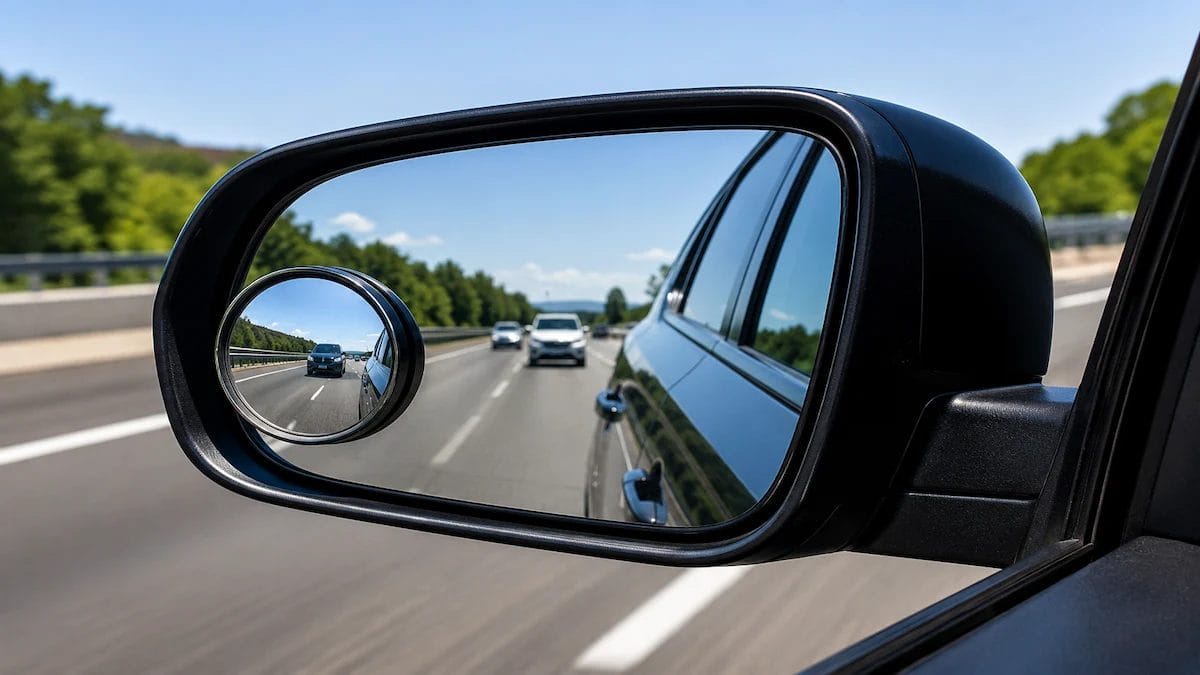
Blind spot mirrors are small convex mirrors attached to side mirrors to improve visibility and reduce hidden areas while driving. The best blind spot mirrors provide wide-angle coverage, weather resistance, strong adhesive mounting, and minimal image distortion. Choosing the correct size and placement improves lane-changing safety, parking visibility, and overall driver confidence.
How Blind Spot Mirrors Improve Safety
Blind spot mirrors improve side visibility by expanding the viewing angle of your vehicle’s mirrors, helping drivers detect cars, motorcycles, cyclists, and obstacles that standard mirrors may miss. The best blind spot mirrors use high-quality convex glass, weather-resistant materials, and strong adhesives for reliable long-term performance. Proper sizing, shape selection, and installation placement are critical for reducing blind spots effectively and improving driving safety in daily traffic conditions.
I’ve seen plenty of near-miss situations that could’ve been avoided with better mirror visibility. Modern vehicles are getting larger, rear pillars are getting thicker, and visibility isn’t always great especially during heavy traffic or rainy highway driving.
Table of Contents
What Are Blind Spot Mirrors?
These are small convex mirrors that attach to your existing side mirrors. Their curved surface widens the field of view so drivers can see vehicles or objects hidden outside the normal mirror angle.
The main goal:
- Reduce hidden viewing areas
- Improve lane-change awareness
- Help during parking
- Increase visibility during highway driving
- Improve towing and trailer visibility
You’ll commonly see them used on:
- SUVs
- Pickup trucks
- Vans
- Commercial vehicles
- Compact cars with limited visibility
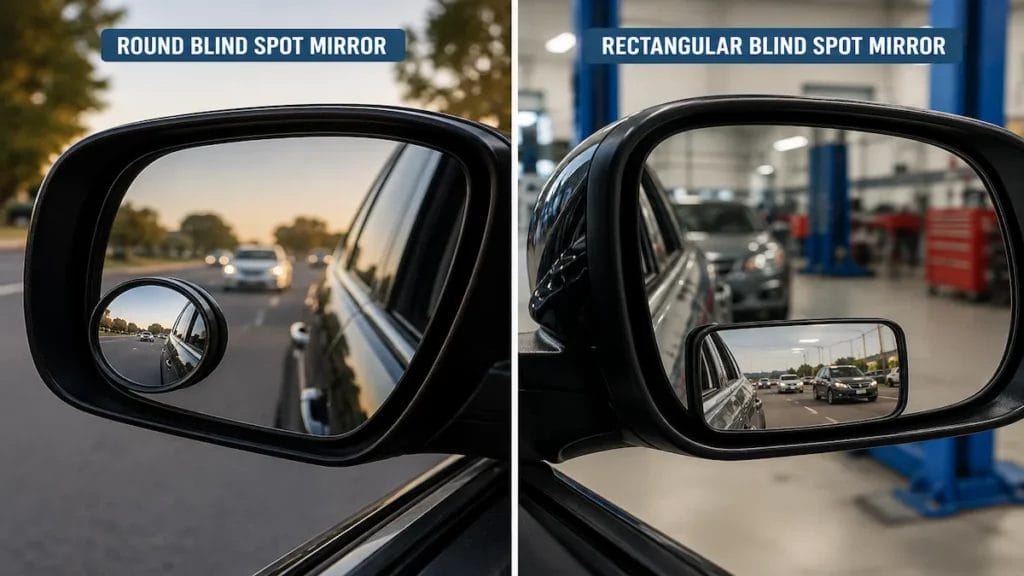
If you drive daily, these mirrors are one of the cheapest safety upgrades you can install. Small round mirrors work well for compact cars, while rectangular frameless mirrors usually provide better highway visibility for SUVs and trucks. Focus on glass clarity, adhesive quality, weather resistance, and proper placement rather than simply buying the cheapest option.
Don’t forget to check Blind Spot Mirror Installation Guide here
For additional driving safety upgrades, check here: DIY Car Care and Maintenance Guides
Why Blind Spot Mirrors Matter
One customer came into the workshop after clipping a curb while changing lanes in a crowded parking structure. His factory mirrors were perfectly adjusted, but the blind zone on his SUV was still large enough to hide a smaller vehicle. We installed quality mirrors that same day, and honestly, he later told me it completely changed his confidence while driving.
That’s the thing most people don’t realize. These mirrors aren’t just for beginners. Even experienced drivers benefit from them. And yeah, they’re surprisingly affordable compared to other safety upgrades.
Types of Blind Spot Mirrors
Round Blind Spot Mirrors
Round mirrors are the most common and easiest to install. They’re compact and work well on smaller vehicles. These are best for compact cars, city driving and budget setups. The downsides are smaller viewing coverage and limited highway visibility
Rectangular Blind Spot Mirrors
These offer a wider viewing angle and generally work better for larger vehicles. Best for SUVs, trucks and highway driving
A customer with a lifted pickup truck complained that motorcycles kept “appearing out of nowhere” during freeway merges. We swapped his tiny circular mirrors for rectangular frameless blind spot mirrors, and the difference was immediate. He could finally monitor adjacent lanes properly without constantly shoulder-checking. Honestly, for bigger vehicles, rectangular mirrors usually make more sense.
Frameless Blind Spot Mirrors
Frameless models look cleaner and often provide slightly better visibility because there’s less obstruction around the edges. The pros are better aesthetics, cleaner field of view and modern appearance and the cons is sometimes more expensive.
How to Choose Blind Spot Mirrors
1. Mirror Size Matters
Bigger isn’t always better. If the mirror is too large, it can block your primary mirror view. If it’s too small, it won’t provide enough extra visibility. General recommendations:
- Small cars: 1.5–2 inch mirrors
- SUVs/trucks: 2–3 inch mirrors
2. Glass Quality Is Extremely Important
Cheap plastic mirrors distort reflections badly. I’ve tested budget mirrors where distance perception became completely unreliable at night. That’s not something you want during high-speed lane changes. Look for:
- HD glass
- Anti-glare coating
- Weather-resistant finish
3. Adhesive Strength
This gets overlooked all the time. The heat can destroy weak adhesive pads within months. I’ve seen blind spot mirrors literally hanging off side mirrors after hot summer days. Look for:
- Automotive-grade adhesive
- Waterproof mounting tape
- Heat-resistant backing
Read this safety guide for further information
National Highway Traffic Safety Administration Mirror Safety Guide
4. Adjustable vs Fixed Mirrors
Adjustable mirrors allow drivers to rotate the viewing angle slightly. Adjustable mirrors are better for: Towing, larger vehicles and drivers sharing vehicles. Fixed mirrors are better for: Simplicity and long-term durability.
Common Mistakes Buyers Make
Buying the Cheapest Mirrors Online
Honestly, this is probably the biggest mistake. A lot of ultra-cheap mirrors look decent in photos but quickly fog, discolor, or fall apart. You don’t need premium luxury mirrors, but don’t go bargain-bin cheap either.
Installing Them in the Wrong Spot
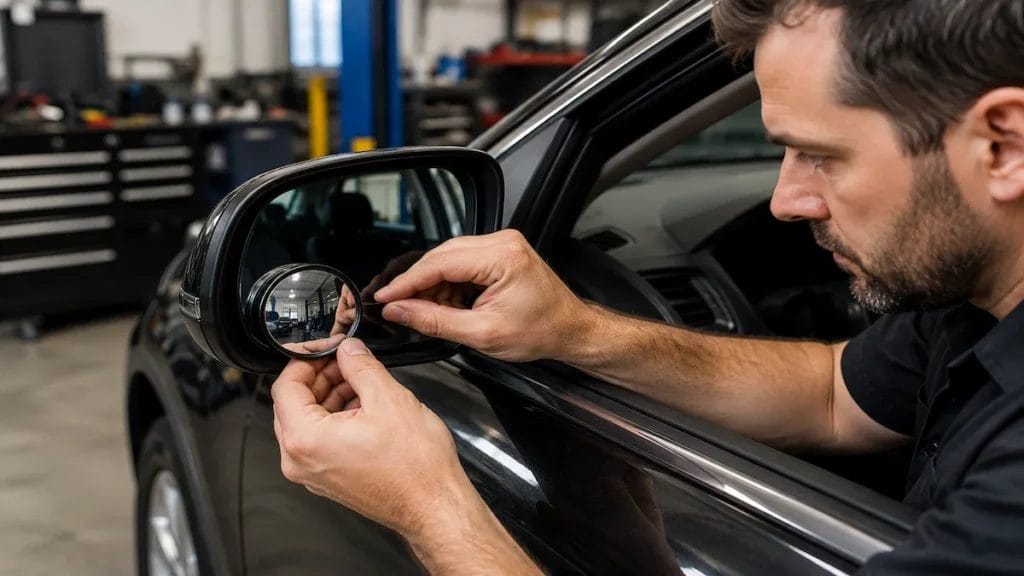
Placement changes everything. Too high: Poor curb visibility. Too low: Reduced lane visibility. Ideal placement is usually: Outer upper corner or outer lower corner depending on driver preference.
Ignoring Vehicle Size
A tiny convex mirror on a large SUV simply won’t provide enough viewing range. Bigger vehicles need wider-angle solutions.
Best Features to Look For in Blind Spot Mirror
Weather Resistance
If you park outdoors regularly, this matters a lot. Look for:
- Waterproof seals
- Rust-resistant backing
- UV-resistant coating
HD Convex Glass
Clear reflections help reduce eye strain and improve distance judgment. This becomes especially important during:
- Night driving
- Rain
- Heavy traffic
Slim Profile Design
Bulky mirrors can vibrate at highway speeds. Slim low-profile designs usually:
- Look cleaner
- Reduce vibration
- Stay stable at higher speeds
Is Blind Spot Mirror Worth It?
Absolutely, especially for older vehicles without advanced blind spot monitoring systems. Even modern vehicles with electronic blind spot sensors still benefit from additional mirror visibility. Electronic systems can fail. Convex mirrors don’t need software updates. That’s why many professional drivers still use them.
One thing I’ve noticed over the years is that newer drivers often rely too heavily on backup cameras and sensors. A young customer once brought in a hatchback after scraping a parking bollard because she trusted the camera completely and ignored mirror visibility.
We added blind spot mirrors mainly for parking assistance, and within a week she came back saying parallel parking suddenly felt easier. Sometimes the simplest upgrades make the biggest difference.
Blind Spot Mirrors Comparison Guide
| Vehicle Type | Recommended Mirror Type |
|---|---|
| Compact Car | Small Round Mirror |
| SUV | Rectangular Frameless |
| Pickup Truck | Large Adjustable Mirror |
| Van | Wide-Angle Adjustable |
| Towing Vehicle | Adjustable Convex Mirror |
Final Thoughts
Blind spot mirrors remain one of the most affordable and effective safety upgrades available for everyday drivers. Choosing quality blind spot mirrors with clear convex glass, durable adhesive, and proper sizing dramatically improves visibility during lane changes, parking, and highway driving. After more than 10 years working in automotive diagnostics, I still recommend blind spot mirrors regularly because they genuinely improve driver awareness without complicated technology.
Frequently Asked Questions
Where should blind spot mirrors be placed?
Most drivers install blind spot mirrors on the outer upper or lower corner of the side mirror. Proper placement depends on driving style and vehicle size.
Are blind spot mirrors legal?
Yes, blind spot mirrors are legal in most regions because they improve visibility and driver safety.
Do blind spot mirrors damage side mirrors?
No, quality blind spot mirrors use removable adhesive pads designed for automotive glass surfaces.
Are larger blind spot mirrors better?
Not always. Oversized mirrors can block the main mirror view. The best size depends on vehicle type and visibility needs.
Can blind spot mirrors help with parking?
Absolutely. Many drivers use blind spot mirrors to improve curb visibility and parking accuracy.