
What Do You Actually Need for a New Baby
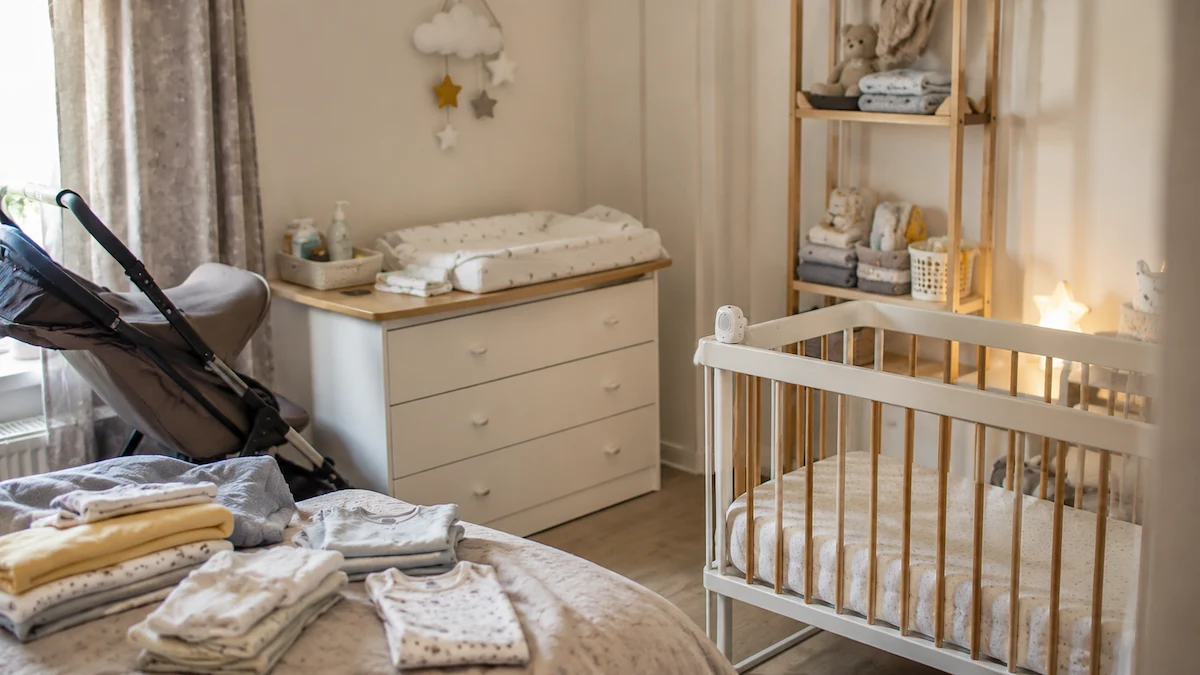
The essential baby gear new parents need covers five areas: safe sleep, feeding, safe travel, nappy changing, and basic clothing and hygiene. A cot, a firm mattress, a car seat, a small stock of nappies, and a practical wardrobe cover almost everything a newborn genuinely needs in the first few months. Most other products marketed as must haves are optional, not essential.
This guide covers exactly what baby gear new parents need, why each item matters, and what you can safely skip. It is built from real experience with a newborn, not a generic product list, and it points out honestly which items get used every day and which ones end up sitting in a cupboard.
Table of Contents
What New Parents Really Need to Know
I remember sitting on the floor surrounded by boxes after my baby arrived. Half of them never got opened again after the first month, and a couple I never opened at all.
I bought most of it by searching online, because I was excited and did not want to miss anything important. Nobody tells you upfront what you actually need versus what is just clever purchasing.
This guide is built around what genuinely gets used in the first six months, not what looks good on a shopping list. Below you will find each area broken down clearly, with honest notes on what is worth buying and what is not.
Sleep Essentials For Babies
Sleep takes up more of a newborn’s day than almost anything else, and the gear around it matters more than most other categories combined.
Cot or Bassinet
A safe sleep space is not somewhere to cut corners. Whether you choose a cot or a bassinet, it needs to meet current safety standards, with a firm, flat mattress and nothing else inside it.
A bassinet next to your bed can make night feeds easier in the first few months, since you are not walking to another room half asleep. A full size cot from the start works just as well if you would rather skip buying two separate items.
Firm Mattress and Fitted Sheets
A firm mattress matters more than a soft, cushioned one, even though the soft ones look more comfortable in a shop. It lowers the risk of your baby struggling to breathe while sleeping, which is worth more than comfort at this stage.
Two or three fitted sheets are enough to start with. They should fit tightly with no loose edges, since a loose sheet is another item that increases risk in the cot.
Swaddles and Sleep Sacks
Swaddles can help newborns feel secure in the first weeks, since the snug feeling is close to what they were used to before birth. Once your baby shows signs of rolling over, it is time to switch to a sleep sack instead.
Sleep sacks end up being one of the most used items in the whole nursery. Most parents I know, myself included, used one nearly every night for well at least first few months.
White Noise Machines
These are optional, not essential. Some babies settle better with steady background noise, while plenty of others sleep just fine without it.
If you want to try it before spending money, a free white noise app on an old phone works just as well as a dedicated machine for testing whether it actually helps.
Room Thermometer
A lot of checklists tell you to buy a room thermometer for the nursery. I never once used mine to actually check the room temperature, so I am not going to tell you it is essential when it genuinely was not for me.
If it would help you feel calmer, a cheap one will not hurt. Just do not feel like you are missing something important if you skip it entirely.
Feeding Essentials For Babies
Feeding gear depends a lot on whether you are breastfeeding, bottle feeding, or doing a mix of both.
Bottles and Sterilising
Start with four to six bottles rather than a full set, since newborns are often fussy about teat shape and flow. A steriliser, whether steam or a simple pot of boiling water, keeps everything hygienic between feeds.
Breast Pumps
A manual pump is cheap and fine if you only need one occasionally. An electric pump is usually worth the cost if you are returning to work soon or want to build up a store of milk.
It is worth asking your doctor or health visitor before buying one outright, since some offer pumps at a lower cost or even on loan.
Formula
If you are formula feeding, choosing a reputable brand and sticking with it, unless a health professional advises otherwise, tends to cause fewer digestion issues than switching between brands often.
Bibs and Burp Cloths
These get used constantly, far more than most new parents expect before the birth. A handful of soft, absorbent muslin cloths cover most of what you need.
Buying a full set of weaning gear and a high chair too early is a common mistake. Solids usually do not start until around six months, so this can wait without any downside.
Nappy Changing Essentials
Changing nappies becomes one of the most frequent tasks of your day, so a simple, ready setup helps a lot.
Nappies
Newborns typically go through somewhere between eight and twelve nappies a day, which adds up fast. A small starter stock in newborn size is enough, since many babies outgrow that size within a few weeks.
Wipes and Nappy Cream
Fragrance free wipes are gentler on newborn skin. A basic barrier cream is worth having ready too, since most babies get some nappy rash at some point, and treating it early is far easier than waiting.
Changing Mat
A simple, wipe clean mat on a sturdy dresser or chest of drawers works just as well as a full changing table, and takes up far less space and money.
Buying a big stock of one nappy brand before the birth can backfire, since fit varies a lot between brands. Trying two or three brands in small packs first shows you what actually suits your baby before you commit to buying in bulk.
Bathing and Hygiene Essential For Babies
Bath time gear is simpler than most new parents expect.
Baby Bath or Bath Support
A small bath or support is helpful in the early months, though it is not strictly necessary if you are comfortable bathing your baby in the sink with proper support.
Gentle Wash and Towels
A mild, unscented wash suits newborn skin better than a large set of scented products. Two or three soft hooded towels are enough to keep on rotation through the week.
How Often Babies Actually Need Bathing
Newborns do not need a daily bath. A few times a week is plenty, with a gentle wipe down in between, which means the bath itself gets used less than most people expect early on.
Clothing Essentials For Babies
Clothing is the category most new parents overbuy, and it is easy to see why, since it is the fun part of getting ready.
A Realistic Starting Wardrobe
Around seven to ten bodysuits, a similar number of sleepsuits, a couple of light layers, and something warm for outside covers most needs. Socks and a soft hat round this out for cooler weather.
Sizing and Fasteners
Buying across a couple of size ranges, rather than a large stock in just one size, cuts down on waste as your baby grows quickly in the first months. Sleepsuits with zips rather than lots of poppers make night changes noticeably faster.
Travel Essential For Babies
Leaving the house with a newborn needs a short list of genuinely important items.
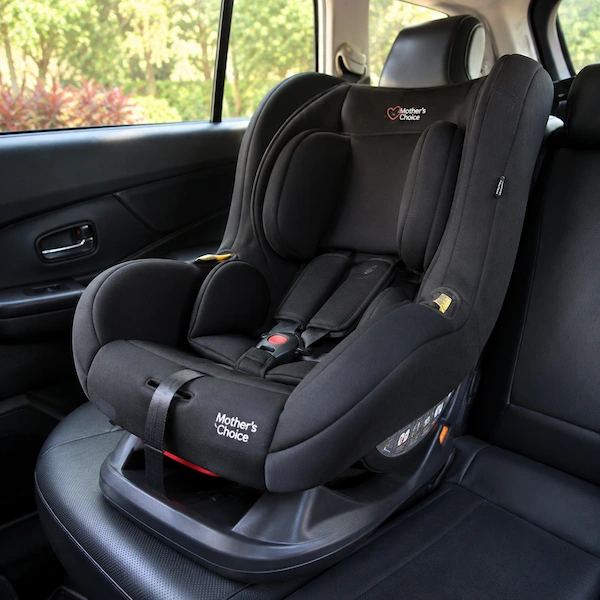
Infant Car Seat
This is essential from day one, and it is the one item on this whole list where price should never come before safety. Choose a seat that fits your car properly and is easy to install correctly. We use Mothers’ Choice for our babies.
Have it checked by someone trained if you are not confident you fitted it right. It is worth the extra time, and many fire stations or baby shops offer free checks.
Pram or Travel System
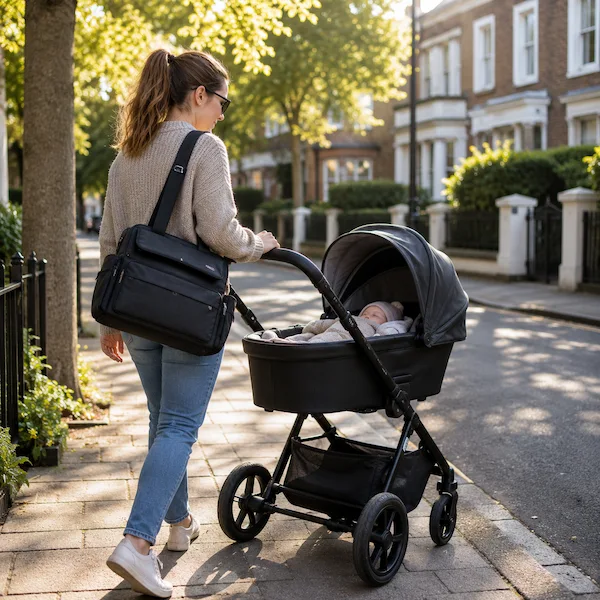
Your choice here depends heavily on your daily life rather than any single best option. A lightweight stroller suits mostly flat, paved walking, while a heavier travel system suits rougher paths or longer trips out.
Testing a pram in person matters more than reading reviews online. Fold it, lift it, push it around the shop, since comfort in real use matters more than the brand name on the box.
Baby Carrier
A carrier is genuinely useful for parents who want their hands free, and it often becomes one of the most used items in the house. Wraps and slings suit tiny newborns, while structured carriers suit babies once they have better head and neck control.
Nappy Bag
A bag with a few clear compartments makes finding things quickly much easier when you are out and stressed. An expensive designer version is not necessary for this to work well.
Health and Safety Essentials For Babies
You do not need a full medicine cabinet before the baby arrives, just a small, sensible set of items.
The Essentials
A digital thermometer for checking your baby when they seem unwell, baby nail clippers or a nail file, and a nasal aspirator for stuffy noses cover most early needs. Keep everything medical stored well out of reach as your baby grows.
And to be honest these are things we always bought for our babies not anything fancy and unrelated.
Always check with your doctor or health visitor before giving your baby anything, even something sold over the counter, since dosing and suitability differ a lot at this age.
Optional Items Worth Considering For Babies
These are not essential, but plenty of parents find real use from them depending on their lifestyle.
A baby swing or bouncer, a simple play mat, a night light for feeds, and a bottle warmer all fall into this category. None of these are wasted money if you know your routine will use them, but none of them are required to care for a baby safely either.
We bought a swing and a play mat for the tummy time. I used to put my baby in a swing once she fell asleep so I can finish my other works quickly.
What Items Can be Usually Skipped From Baby Essentials.
A few items get marketed hard but rarely earn their place. Cot bumpers and pillows for newborns are genuinely not safe and should be avoided regardless of how a nursery photo looks.
We have never used a pillow until our baby becomes two years old as it may affect the backbone. However, you can discuss this with your doctor before taking any decision.
Elaborate matching nursery furniture sets, large nappy disposal systems, and shoes for a baby who cannot yet walk mostly add cost and clutter without adding real use.
What Changes If This Is Not Your First Baby
Second time parents usually buy far less, and for good reason. Clothes, muslins, and most nursery items can be reused if they are still in good condition, though it is worth checking that cots and mattresses still meet current safety standards.
Most of the time we used our elder one’s cloth for our second baby and there is nothing wrong with that.
Car seats need a closer look even when they belonged to your own older child. If a seat has ever been in a car accident, even a minor one, it should be replaced regardless of how good it still looks.
Borrowing, Renting, and Buying Secondhand
Baby gear is used for a short window before babies outgrow it, which makes it one of the best categories for buying secondhand or borrowing. Bouncers, play mats, and baby baths in particular are often in near new condition when passed on.
Car seats, cot mattresses, and anything tied to safety are the clear exceptions, and are worth buying new. For everything else, local parenting groups and secondhand marketplaces can save a genuine amount of money.
To be honest we have never borrowed anything for our babies but we used our firs baby’s things to our second one so if you are okay with the secondhand items you can definitely go for it without any hesitance.
Baby Gear Essentials Buyer’s Guide: Where to Spend and Where to Save
Before buying anything, it helps to ask one simple question. Will this make everyday life easier, or does it just look useful sitting in a shop.
Car seats, cots, and mattresses are worth prioritising quality and safety certification over price, since these are tied directly to your baby’s safety.
Clothing, nursery decor, and most small gadgets are areas where secondhand or budget options work just as well.
If your budget is tight, spend first on the sleep and travel categories. Everything else can build up gradually, and a surprising amount tends to get passed down or gifted once family and friends see what you actually end up using.
Common Mistakes New Parents Make While Buying Baby Gears
Buying too much, too early, is the most common mistake, particularly with clothing and nursery decor. Babies grow and change fast, and preferences that seem certain before birth often shift completely once your baby arrives.
As I already mentioned we also bought so many unnecessary things for our first baby and wasted money, specially on clothes.
Choosing style over practicality is another common trap. A beautiful pram or changing bag matters less day to day than whether it folds easily, cleans well, and fits in your car.
Skipping proper research on car seat fitting is one of the few mistakes on this list that genuinely matters, since it directly affects your baby’s safety every time you leave the house.
Buying secondhand safety items, like car seats, without checking their full history is a risk not worth taking, even when the price looks tempting.
The Complete Baby Gear Checklist
Sleep: cot or bassinet, firm mattress, fitted sheets, swaddles, sleep sacks
Feeding: bottles, steriliser, breast pump if needed, bibs, burp cloths
Travel: infant car seat, pram or stroller, baby carrier, nappy bag
Changing: nappies, wipes, changing mat, nappy cream
Bathing: baby bath or support, gentle wash, towels
Clothing: bodysuits, sleepsuits, socks, hat, light outerwear
Health and safety: thermometer, nail clippers, nasal aspirator
Final Thoughts
The truth about baby gear is that most families only end up using a fraction of what gets sold as essential. Put your money and energy into safe sleep, safe travel, and feeding first, and let everything else build up slowly as you learn what actually fits your family.
You will save money, save space, and skip the guilt of a nursery full of things that never got used.
For extra guidance on safe sleep and general baby health, the NHS and the American Academy of Pediatrics both publish free, up to date advice worth checking alongside any blog post, including this one.
Visit Pickyaura.com for real and honest Family and Parenting Lifestyle tips.
Frequently Asked Questions
Do I need a baby monitor if I sleep in the same room as my baby?
For the first few months, many health experts suggest room sharing, which lowers the need for a monitor. Once your baby moves to their own room, a monitor becomes genuinely useful.
How many nappies should I buy before the baby is born?
A small starter pack in newborn size is enough, since many babies grow out of that size within just a few weeks.
Do I need a baby bath?
It is helpful but not required. Many parents manage well bathing their baby in the sink with proper support for the first couple of months.
What is the one item I should not save money on?
The car seat. It is the item most directly tied to your baby’s safety every single time you leave the house.
Can I buy secondhand baby gear?
Most items like clothing, changing mats, and toys are fine secondhand if clean and in good condition. Car seats are the main exception, unless you know their complete history.
Is a room thermometer necessary?
Not in my experience. I never used mine. A cheap one will not hurt if it helps you feel more at ease, but you are not missing something essential by skipping it.
As a mom trying to plan carefully, having a clear list of what actually matters makes getting ready feel so much less overwhelming. It’s such a relief to know I don’t have to buy everything on those long registry lists to keep my baby safe and comfortable. I’m definitely sticking to the essentials first and building up from there as I go!
That’s such a great mindset to have, and you’re already ahead by thinking this way! Sticking to the essentials first means you’ll actually know what your baby needs before spending on the rest. It’s all about small, confident choices, and you’re clearly on the right track
This is very useful for me as a mom. Thankyou.
Thank you very much for your feedback.