
TL;DR: How to Choose Windshield Wipers
Choosing the right windshield wipers depends on your vehicle’s blade size, climate, windshield shape, and driving habits. Beam blades work best in heavy rain and modern curved windshields, while conventional blades are cheaper and easier to replace. Always check your owner’s manual or blade-size finder before buying to ensure proper fit, visibility, and streak-free performance.
If you’re wondering how to choose windshield wipers, start by checking your car’s correct blade size, connector type, and driving conditions. Beam blades are best for heavy rain and modern cars, silicone blades last longer, and rubber blades are cheaper for everyday use. Replace wipers every 6–12 months or when they start streaking, squeaking, or skipping.
Driving with bad windshield wipers is one of those things most people ignore until they get caught in a sudden downpour at night. After working as an automotive diagnostic technician for more than 10 years, I’ve seen drivers replace batteries, headlights, and tires on time but completely forget their wiper blades until visibility becomes dangerous.
The truth is, learning how to choose windshield wipers properly can make a massive difference in safety, comfort, and even windshield lifespan. The wrong blades can chatter, streak, miss sections of glass, or wear out in just a few months. The right set keeps your windshield crystal clear even during heavy storms.
If you’ve ever walked into an auto store and felt overwhelmed by beam blades, silicone blades, hybrid styles, and size charts, don’t worry you’re not alone. Let’s break it all down in plain English so you can confidently pick the best windshield wipers for your car.
For more maintenance tips, you can also check our guide on choosing the right steering wheel cover at Pickyaura
Table of Contents
Why Choosing the Right Windshield Wipers Matters
A lot of drivers assume all wipers are basically the same. They’re not. Modern vehicles use different windshield curves, blade pressure systems, and attachment mechanisms. Using the wrong blade size or style can reduce visibility and even scratch your windshield over time.
I remember one customer who came into the workshop after replacing his own blades with a cheap universal set. He said, “These things sounded awful from day one.” Turns out the blades were too short and the connector didn’t fully lock. During heavy rain, one blade literally flew off on the motorway. Luckily, he wasn’t driving fast.
That’s why knowing how to choose windshield wipers correctly matters more than people think. Good windshield wipers help:
- Improve visibility during rain
- Reduce glare at night
- Prevent windshield scratches
- Remove dirt and bugs more effectively
- Improve overall driving safety
According to NHTSA, poor visibility contributes to thousands of weather-related crashes every year.
Types of Windshield Wipers Explained
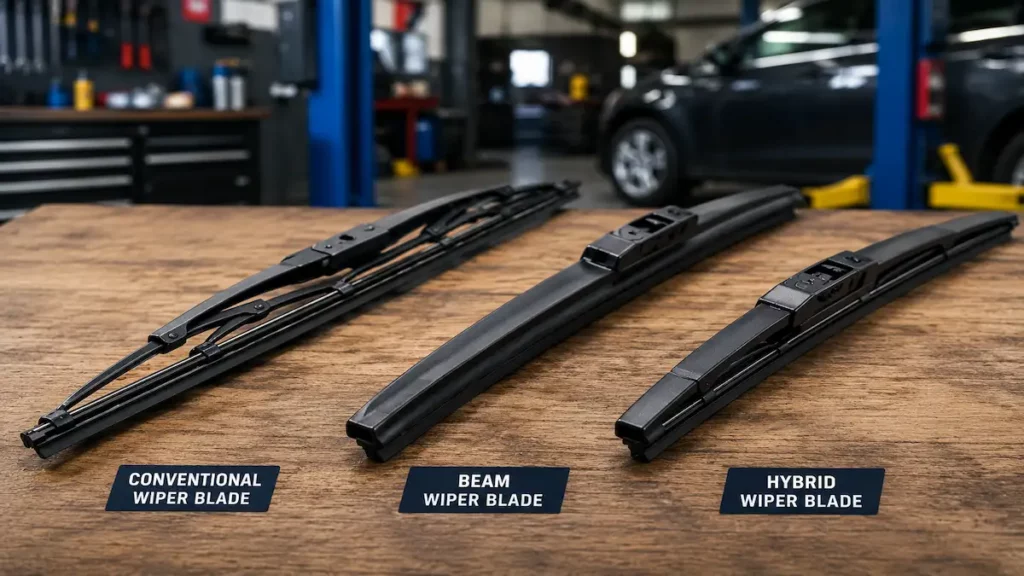
Conventional Wiper Blades
These are the traditional metal-frame blades found on older vehicles.
They’re affordable and easy to replace, but they don’t always apply even pressure across modern curved windshields.
Best For:
- Older vehicles
- Budget-conscious drivers
- Mild climates
Downsides:
- Wear out faster
- Can freeze in winter
- More likely to streak
Beam Wiper Blades
Beam blades are now the most popular option for modern vehicles. Instead of using an external metal frame, they use a flexible internal tension design that hugs the windshield evenly.
Best For:
- Heavy rain
- Highway driving
- Modern sedans and SUVs
- Curved windshields
I switched my own daily driver to beam blades about five years ago after getting tired of uneven wiping during Queensland storms. Honestly, the difference was immediate. The windshield stayed clearer at highway speeds, and the annoying chatter disappeared completely.
Advantages:
- Better pressure distribution
- Quieter operation
- More aerodynamic
- Better in extreme weather
Downsides:
- More expensive
Hybrid Wiper Blades
Hybrid blades combine conventional frames with beam-style covers. They try to balance affordability and performance.
Best For:
- Drivers wanting improved performance without premium pricing
How to Check the Correct Wiper Size
This is where many people make mistakes. Even if a blade physically attaches, it doesn’t mean it’s the correct length. You can find the proper size by:
- Checking your owner’s manual
- Using an online blade-size finder
- Looking at the existing blade size
- Asking an auto parts retailer
Many vehicles use different sizes for driver and passenger sides. For example:
- Driver side: 26 inches
- Passenger side: 18 inches
Some vehicles even use specialty rear wiper sizes. A good resource for checking compatibility is Bosch Auto Parts Finder
Understanding Wiper Blade Materials
Rubber Blades
Rubber blades are the most common and cheapest option. They work fine initially but degrade faster under UV exposure and heat.
Good For:
- Budget replacements
- Mild climates
Silicone Blades
Silicone blades last longer and perform better in harsh weather. They also leave a water-repellent coating on the windshield.
Best For:
- Frequent rain
- Hot climates
- Long-term durability
I’ve personally seen silicone blades last nearly twice as long as cheap rubber blades on customer vehicles. In Brisbane heat, that extra durability really matters.
Downsides:
- Higher upfront cost
Signs Your Windshield Wipers Need Replacing
A lot of drivers wait way too long. If you notice any of these symptoms, it’s time for replacement:
Streaking
The blades leave lines or water trails behind.
Chattering
The blades skip or vibrate across the glass.
Squeaking
Usually caused by hardened rubber or poor contact.
Missed Areas
Uneven wiping often means worn edges or bent frames.
Cracked Rubber
Sun exposure eventually damages the blade material. Honestly, I usually tell customers: if your wipers annoy you every time it rains, replace them. They’re relatively cheap compared to the safety benefit.
How Climate Affects Wiper Choice
Hot Climates
UV rays destroy cheap rubber quickly. If you live in Australia or other hot regions, silicone or premium beam blades are worth the investment.
Heavy Rain Areas
Beam blades perform better because they maintain consistent pressure at high speed.
Snow and Ice
Winter blades are specially designed to resist freezing buildup.
Common Mistakes People Make When Buying Wipers
Buying the Cheapest Option
Cheap blades may save money upfront but often wear out quickly.
Ignoring Connector Types
Not every blade fits every wiper arm.
Replacing Only One Blade
Always replace both front blades together.
Forgetting Rear Wipers
SUV and hatchback rear wipers wear out too
Step-by-Step: How to Choose Windshield Wipers
1. Identify Your Vehicle
Know your:
- Make
- Model
- Year
2. Confirm Blade Sizes
Never guess sizes.
3. Choose Blade Type
Beam, conventional, or hybrid.
4. Consider Your Climate
Rain, heat, snow, and dust matter.
5. Pick Quality Materials
Silicone generally lasts longer.
6. Check Reviews and Warranty
Premium brands often offer longer warranties.
Buyer’s Guide: What Actually Matters Most
If you’re overwhelmed by options, focus on these four things:
Fitment
Correct size and connector type matter more than brand marketing.
Durability
Silicone blades generally last longer than rubber.
Performance in Your Climate
Heavy rain drivers should prioritize beam blades.
Noise Level
Premium blades are usually quieter. One thing I’ve learned after years in workshops: drivers almost always regret buying ultra-cheap wipers, especially during storm season.
A customer brought in a late-model SUV complaining about blurry vision during rain. He’d already replaced the blades twice himself.
Turns out the issue wasn’t just the blades; he kept buying conventional wipers for a windshield designed for beam blades. At highway speed, the metal frame lifted slightly from airflow, leaving huge unwiped sections.
We fitted a quality beam-blade set, cleaned the glass properly, and the problem disappeared instantly.
Little details like that are why understanding how to choose windshield wipers really matters.
Final Thoughts
Learning how to choose windshield wipers properly isn’t complicated once you understand blade types, materials, and fitment. After more than a decade working as an automotive diagnostic technician, I can confidently say that quality wipers genuinely improve driving safety and comfort.
Don’t wait until the next storm hits to realize your old blades are worn out. A good set of windshield wipers can completely change visibility during bad weather, especially at night or on the highway.
If you want reliable performance, quieter operation, and fewer headaches, invest in the right blade type for your vehicle and climate. Trust me; future you will appreciate it during the next heavy downpour.
Frequently Asked Quetions
How do I know what windshield wipers fit my car?
Check your owner’s manual, use an online compatibility tool, or look up your vehicle’s make, model, and year on the manufacturer’s website.
Are expensive windshield wipers worth it?
Usually yes. Premium beam or silicone blades last longer, wipe cleaner, and perform better during heavy rain or extreme heat.
How often should windshield wipers be replaced?
Most wipers should be replaced every 6–12 months depending on climate, usage, and blade material.
What are the best windshield wipers for heavy rain?
Beam-style silicone blades are generally best because they maintain even pressure and resist lifting at highway speeds.
Can wrong windshield wipers damage my windshield?
Yes. Poor-quality or damaged blades can scratch the glass and reduce visibility.